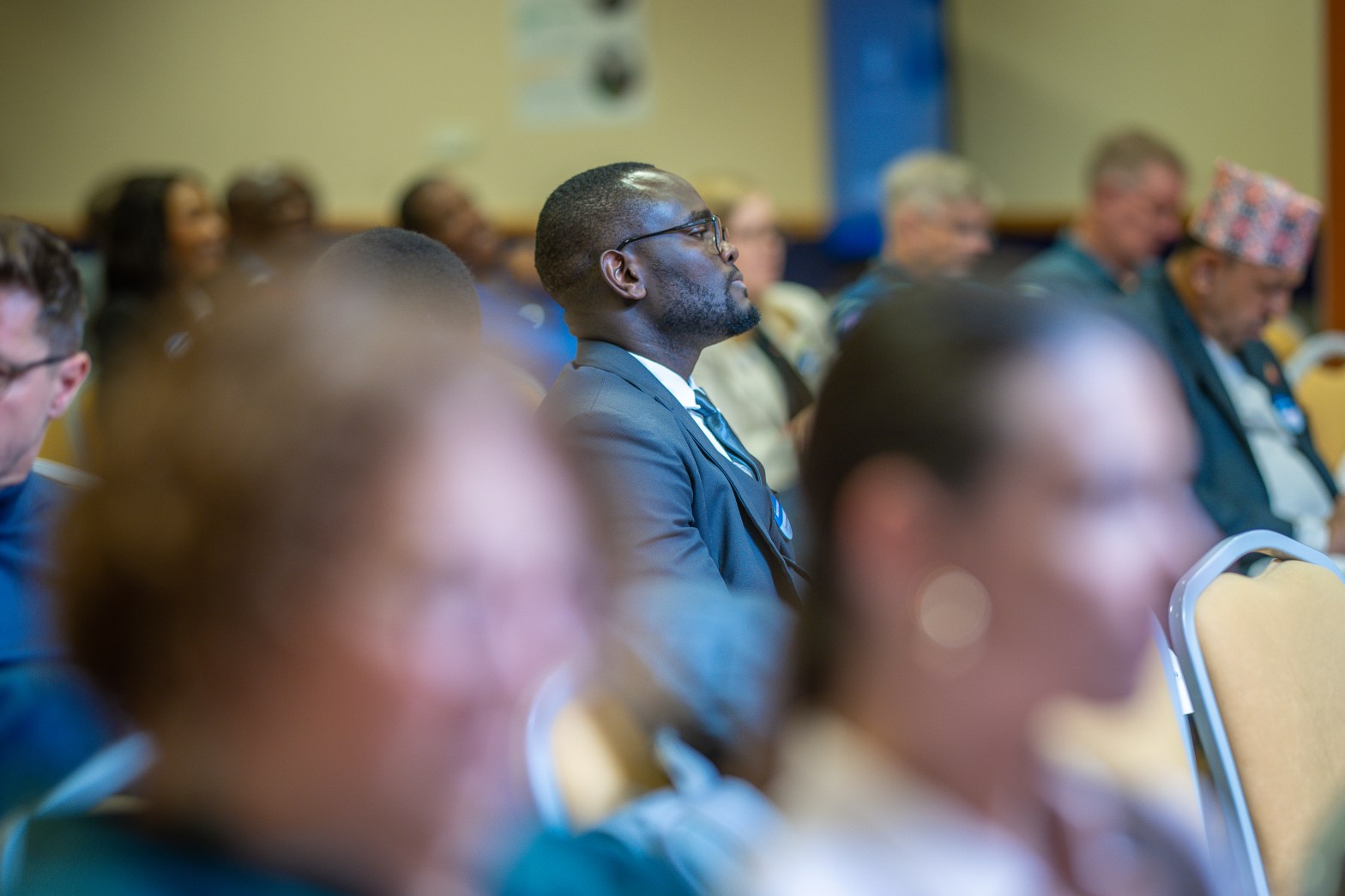
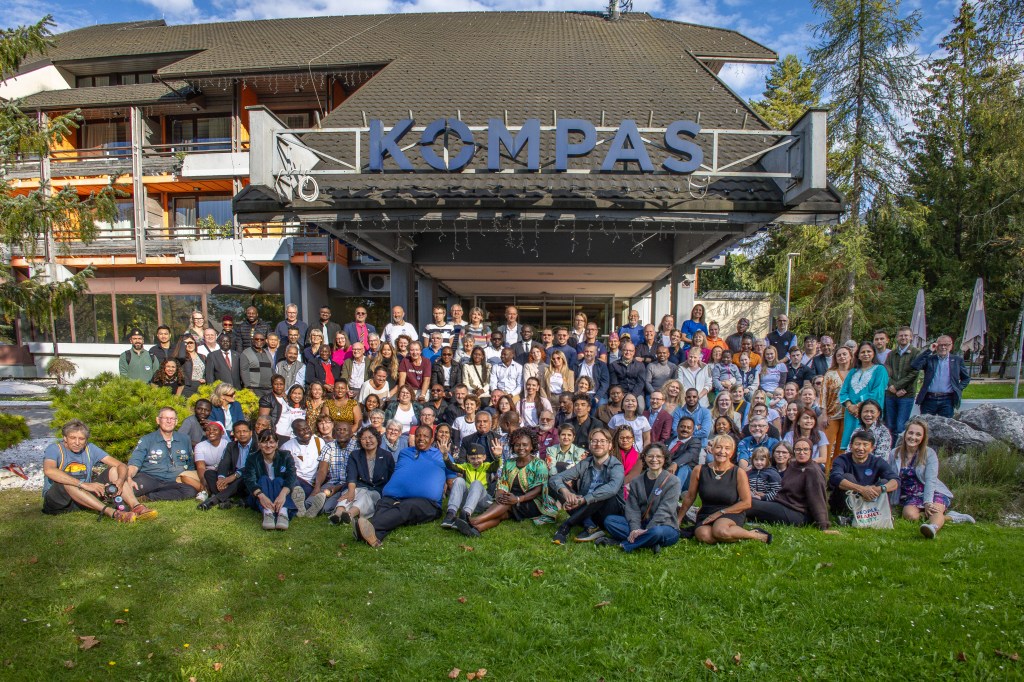
2–7 October 2026 | Kranjska Gora, Slovenia
Some experiences take a little time to put into words. Since returning from Slovenia, I have had quite a lot on my plate, but I did not want too much time to pass without reflecting on an experience that was both personally meaningful and professionally enriching: my participation in the 71st Movendi International World Congress.
Held from 2–7 October 2026 in Kranjska Gora, Slovenia, the Congress brought together people from different countries, backgrounds and areas of work, united by a shared commitment to preventing alcohol harm and building healthier societies.
I attended as Delegate No. 2, representing Stowelink Foundation, and returned with wonderful memories, new connections and renewed motivation for the work ahead.
Kranjska Gora: A beautiful setting for a global gathering
My first impression was the beauty of the location. Kranjska Gora, surrounded by the stunning Slovenian Alps, was an exquisite setting for a gathering of this kind.
But what made the experience exceptional was not just the scenery. It was the people, the conversations, the food, the shared learning and the sense of community.
The World Congress is Movendi International’s highest decision-making body. Yet it is much more than a formal meeting. It brings together the seriousness of decision-making, the curiosity of a conference, the creativity of workshops and the warmth of shared social experiences.
There was room to learn, question, reflect, celebrate and build friendships. It reminded me that movements become stronger when people have opportunities to connect as human beings, not only as representatives of organisations.
A historic moment: Juliet Namukasa elected President
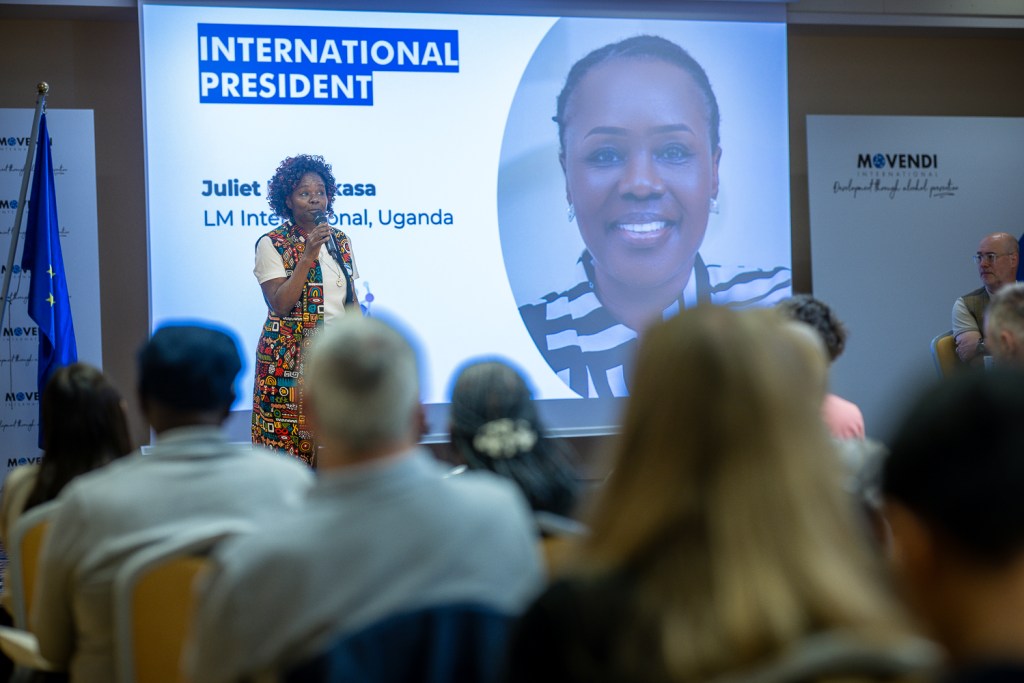
One of the most memorable moments was the election of Juliet Namukasa from Uganda as the new President of Movendi International.
In the movement’s 175-year history, Juliet is the first African and the first African woman to hold this position. This is a significant milestone for the organisation and a moment of pride for those of us working in public health and advocacy across Africa.
Representation matters. Who sits at the decision-making table can influence whose experiences are heard, which priorities receive attention and how global movements connect with the realities of different communities.
Juliet’s election is an encouraging reflection of a movement that brings together people from different regions and backgrounds. I hope her leadership will continue to strengthen these connections and create more opportunities for members across the Global South to shape the movement’s direction.
At the same time, leadership transitions are also an opportunity to recognise those who have served before. I extend my sincere gratitude to Kristina Šperková for her 12 years of leadership. Her contribution to Movendi deserves recognition, and I wish Juliet every success as she takes on the responsibility of leading the movement into its next chapter.
The Kranjska Gora Declaration: Moving from commitment to action
While the people and experiences made the Congress memorable, the adoption of the Kranjska Gora Declaration was arguably its most consequential outcome.
The Declaration provides a collective statement of intent for the movement and reinforces the need for decisive action to prevent alcohol harm.
Among its key priorities are:
- Stronger alcohol policies: Advancing evidence-informed measures that protect health and prevent alcohol-related harm.
- Accountability for alcohol industry interference: Strengthening efforts to expose and address commercial practices that undermine public health policymaking.
- International cooperation: Building stronger collective action across countries and organisations to address alcohol harm.
- A globally binding instrument: Calling for an international framework to prevent alcohol harm, including the advancement of a Framework Convention on Alcohol Control.
These priorities are important because alcohol harm cannot be addressed through individual awareness alone. Education and personal choices matter, but they must be supported by policies and environments that make protecting health possible.
For public health practitioners, researchers, advocates and policymakers, the Declaration is a reminder that evidence must inform action and that prevention requires sustained political commitment.
For countries such as Kenya, these discussions are especially relevant. National and community-level prevention efforts can be strengthened through effective policies, public education, civil society participation and international collaboration.
The Declaration therefore deserves attention beyond the Congress itself. Its real value will be seen in the work that follows: the policies advanced, the partnerships strengthened and the communities protected.
Read the full Kranjska Gora Declaration:
https://www.dropbox.com/scl/fi/f2fqb27grk9os4i7eds0n/FINAL_Kranjska_Gora_Declaration_71_World_Congress_Statement.pdf?rlkey=d9506bppjcp9pe4ldqq5zrm9t&e=1&dl=0
What I am taking home
Beyond the formal decisions, the Congress reinforced several lessons for me.
First, representation in leadership matters. Global movements become stronger when leadership reflects the diversity of the people and communities they serve.
Second, evidence and advocacy must work together. Research helps us understand the scale of a problem, while effective advocacy helps translate that evidence into policies and action.
Third, partnerships make change possible. No single organisation can address alcohol harm or other major public health challenges alone. Progress depends on collaboration across sectors, countries and communities.
Finally, joy and connection are part of sustainable movements. The friendships, conversations and shared experiences in Kranjska Gora were not separate from the work; they helped build the relationships that make collective action possible.
Thank you, Movendi International
I am grateful to Movendi International for convening such a meaningful Congress and to everyone who made the experience memorable. I also appreciate Stowelink Foundation for the opportunity to represent the organisation and contribute to these important conversations.
To Kristina Šperková, thank you for your 12 years of leadership and service.
To Juliet Namukasa, congratulations on your election. I wish you wisdom, strength and success as you lead Movendi into its next chapter.
The Congress may have ended, but the responsibility to act remains.
I return to Kenya with renewed energy to continue contributing to public health, health promotion, NCD prevention and efforts to prevent alcohol harm.
Together, we can turn global commitments into local action and build healthier communities for generations to come.
Oduor Kevin is a public health specialist and Chief Program Officer at Stowelink Foundation, with a focus on NCD prevention, health promotion, advocacy and research.

