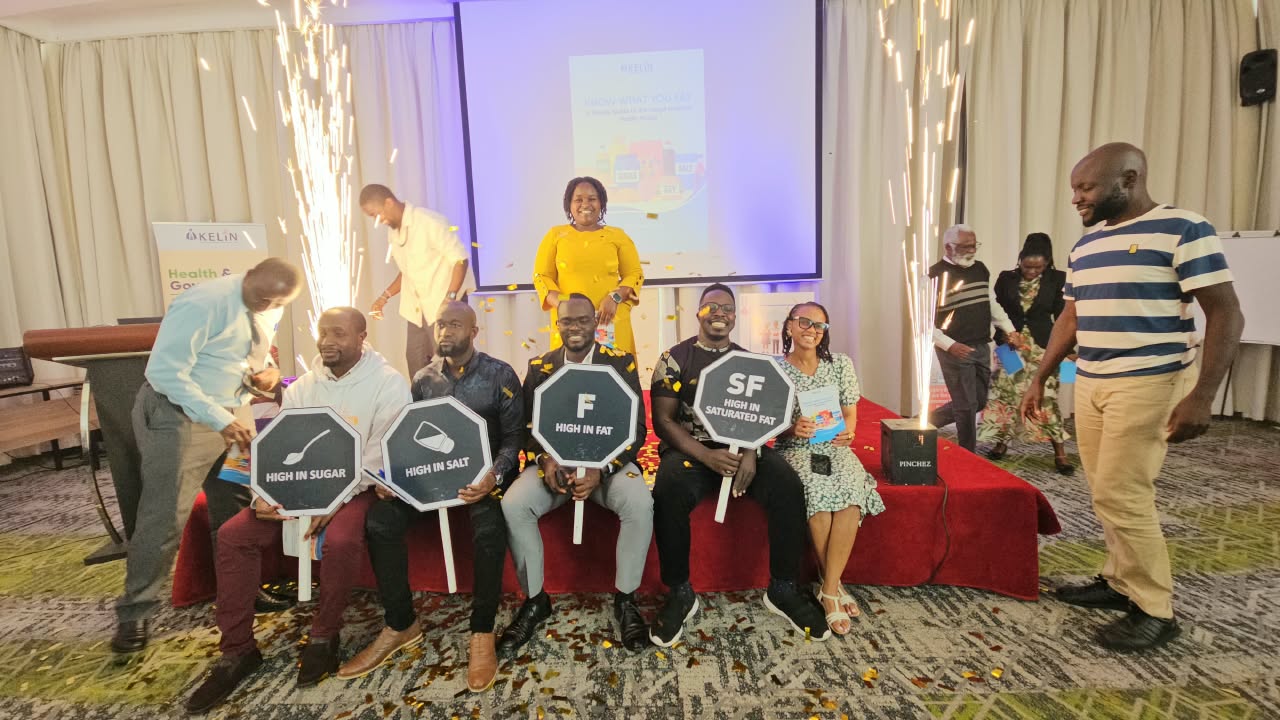
I recently had the opportunity to participate, at the invitation of KELIN, in the launch of the Simplified Public Education and Advocacy Materials on the Kenya Nutrient Profile Model (KNPM). For me, the launch was more than the introduction of a new set of communication materials. It raised an important question about how we make public-health policy understandable and actionable for the people it is ultimately intended to serve.
The Kenya Nutrient Profile Model provides an important framework for classifying food and beverage products based on their nutritional composition. It can support efforts to create healthier food environments through interventions such as front-of-pack nutrition labelling, consumer awareness and restrictions on the marketing of unhealthy foods and beverages.
However, policies involving nutrient profiling can be highly technical. Terms, thresholds, nutrient categories and regulatory approaches may be easily understood by technical experts but can be difficult for members of the public to navigate. When this happens, there is a risk that important policy conversations remain confined to experts, policymakers and industry stakeholders, while communities and consumers have limited opportunities to participate.
Making policy understandable
This is what makes KELIN’s work particularly important.
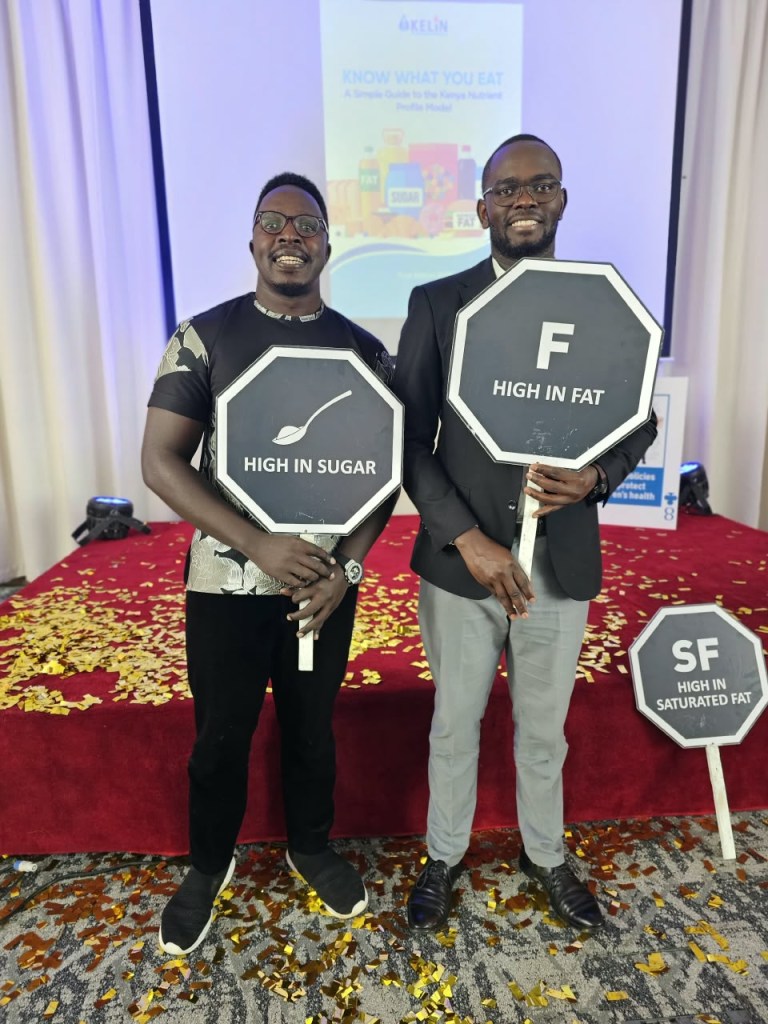
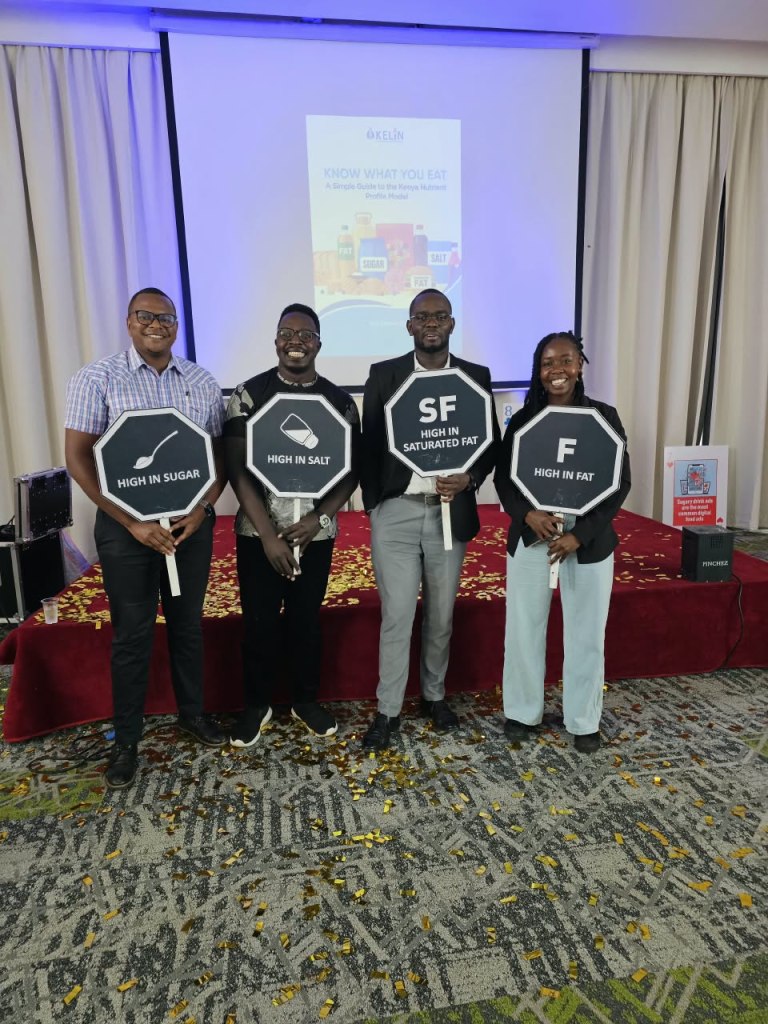
The simplified public education and advocacy materials translate technical concepts surrounding the KNPM into information that is more clear, practical and accessible. They are designed to support young people, women, community groups, civil society organisations, consumer advocates and digital content creators to understand and engage with nutrition and healthy food environment policies.
I see significant potential in this approach. Public education should not simply be about telling people what a policy says. It should enable people to understand why the policy matters, how it affects them and how they can participate in advocating for healthier environments.
From information to public action
The launch also made me reflect on the relationship between policy and public participation. Developing a sound policy framework is important, but implementation and accountability require an informed public.
If consumers understand how unhealthy food products are identified, why nutrition labelling matters and how food marketing can influence consumption, they are better positioned to participate in the policy conversation. Young people and digital content creators, in particular, can play an important role in taking these conversations beyond policy meetings and into communities and online spaces.
The potential of these materials therefore extends beyond education. They can contribute to building a broader and more informed constituency for healthy food environments and stronger nutrition policies in Kenya.
Commending KELIN
I would like to thank KELIN for this important initiative and for recognising that making technical public-health policy accessible is an important part of advocacy.
As Kenya continues to strengthen its food and nutrition policy environment, we need not only good evidence and sound policy, but also public understanding, participation and accountability.
The launch of these materials is a step in that direction. The real opportunity now is to take them to the people, stimulate conversations and empower communities to become active participants in shaping healthier food environments.
When policy becomes understandable, participation becomes possible—and when participation grows, accountability becomes stronger.
#FoodPolicyKE #Nutrition #HealthyFoodEnvironments #NCDPrevention #PublicHealth

