The fourth day of the Ascend Fellowship shifted our focus from analysing problems to communicating solutions. Having spent the previous days identifying key tobacco control constraints, exploring their root causes, mapping stakeholders, and gathering field evidence, it was now time to learn how to transform that work into messages capable of influencing change.
The day’s sessions highlighted an important reality: evidence alone is rarely enough. To inspire action, evidence must be communicated in ways that resonate with decision-makers and the communities they serve.
Using Photovoice to Advocate for Change
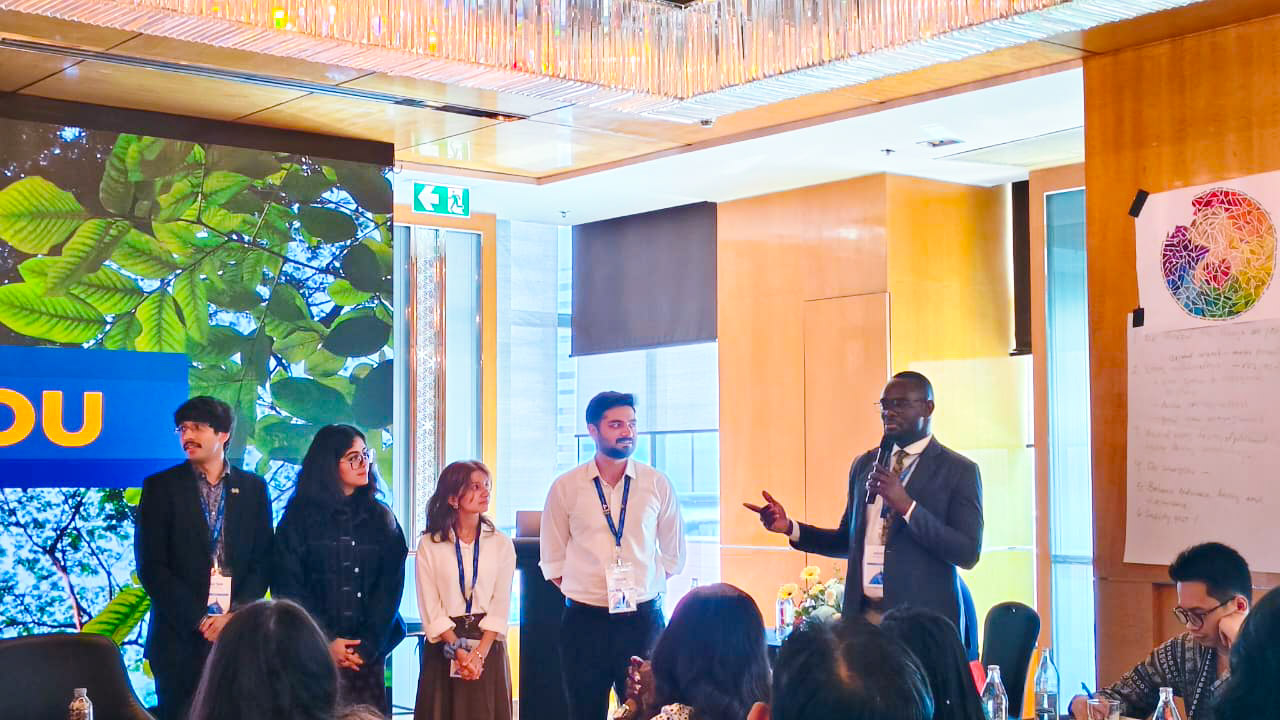
We began the morning with group presentations of our Photovoice assignments.
Each team shared photographs and observations collected during our field exercise in Bangkok, using visual storytelling to highlight both the strengths and the challenges of the city’s tobacco control environment.
The diversity of perspectives demonstrated how a single image can communicate issues that might otherwise require pages of explanation. From observations of tobacco advertising and smoking environments to examples of tobacco control measures in practice, every presentation contributed to a richer understanding of the policy landscape.
I was particularly proud of my team’s presentation and would like to commend my colleagues for the thoughtful analysis and creativity they brought to the exercise. Together, we demonstrated how photographs can become powerful advocacy tools when paired with evidence and meaningful narratives.
The Power of Storytelling
The next session, facilitated by Jared Early, focused on one of the most valuable skills for any public health advocate: storytelling.
The session reinforced that while data provides credibility, stories provide connection. Policymakers are often presented with statistics and reports, but stories have the unique ability to humanise evidence, evoke empathy, and inspire action.
Effective tobacco control advocacy therefore requires more than presenting facts; it requires communicating why those facts matter to individuals, families, and communities.
This session reminded us that every piece of research ultimately represents real people whose lives are affected by tobacco use and tobacco industry practices.
Owning Your Message
Following lunch, Jared led another engaging session on Owning Your Message.
We learned how to develop concise and impactful elevator pitches, recognising that opportunities to engage policymakers are often brief and unpredictable.
An effective message, we learned, should quickly capture attention, clearly communicate the issue, and motivate action. Rather than overwhelming decision-makers with excessive information, advocates should focus on delivering a message that is memorable, evidence-informed, and tailored to the audience.
The session was an important reminder that successful advocacy depends not only on what we say but also on how we say it.
Bringing It All Together
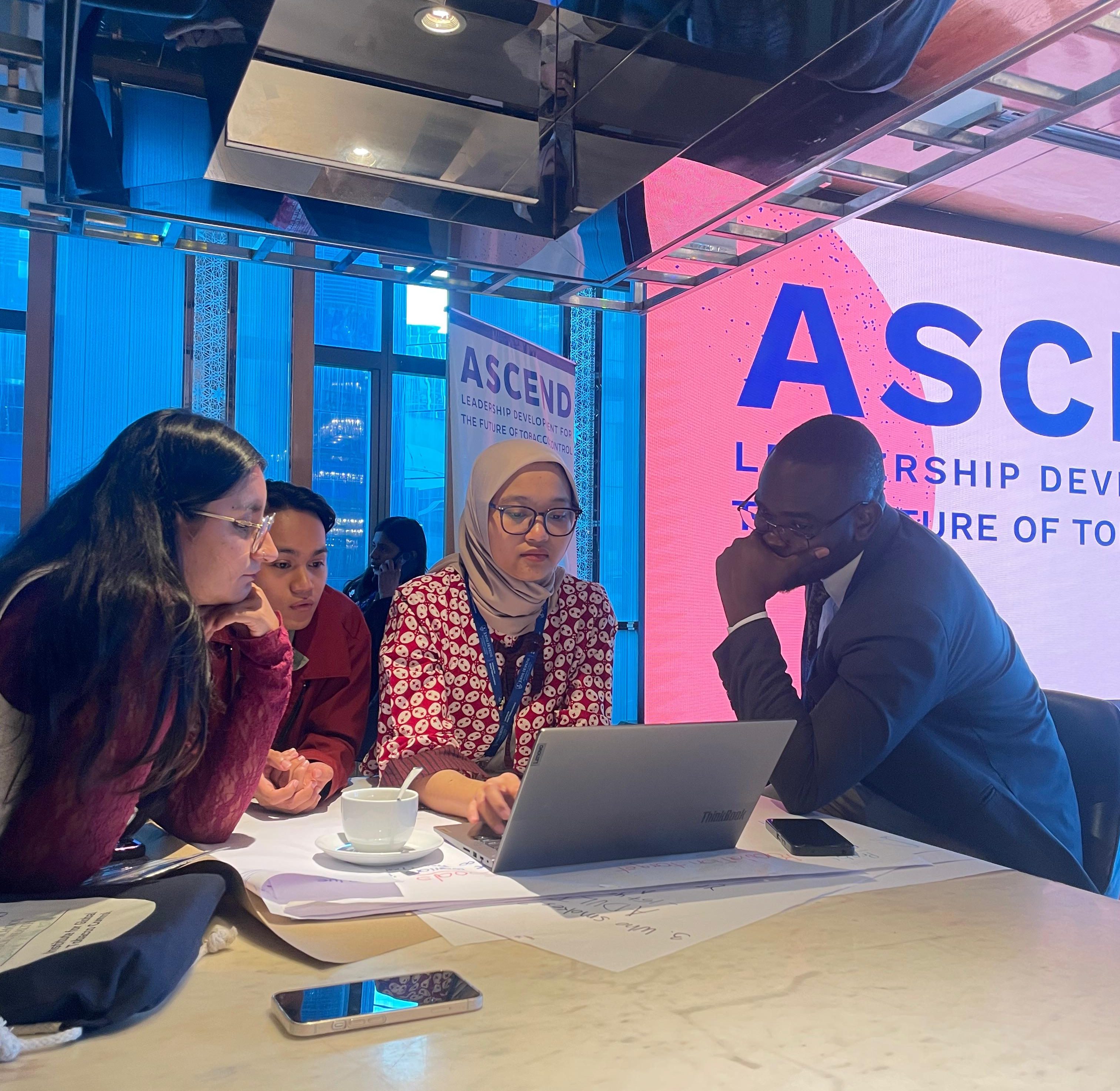
The final working session challenged each group to develop strategic messages capable of influencing specific stakeholders.
This exercise required us to integrate everything we had learned throughout the fellowship.
We drew upon the Spidergram to identify our priority constraint, used the Fishbone Root Cause Analysis to understand why the problem exists, relied on Stakeholder Mapping to identify the individuals and institutions capable of driving change, and finally crafted messages designed to persuade those stakeholders to act.
Seeing these different frameworks come together demonstrated that effective advocacy is both systematic and strategic. Each analytical tool builds upon the previous one, ultimately leading to clear and targeted communication.
Preparing for the Final Presentation
The day concluded with preparations for our final group presentations.
As we refined our ideas and rehearsed our presentations, it became clear how much we had accomplished over the previous four days. What began as individual learning had evolved into collaborative strategies grounded in evidence, strengthened by systems thinking, and communicated through compelling messages.
Final Reflection
Day Four reinforced that communication is one of the most powerful tools available to public health leaders.
Research identifies the problem. Systems thinking helps explain it. Stakeholder mapping shows us who must be engaged. But storytelling and strategic messaging are what move people from awareness to action.
One lesson from the day will remain with me: effective advocacy is not simply about having the strongest evidence—it is about delivering the right message, to the right audience, at the right time.
With our final presentations ahead, I look forward to bringing together everything we have learned throughout this remarkable fellowship journey.
#Ascend2026

