Why meaningful youth participation matters in generating quality research evidence
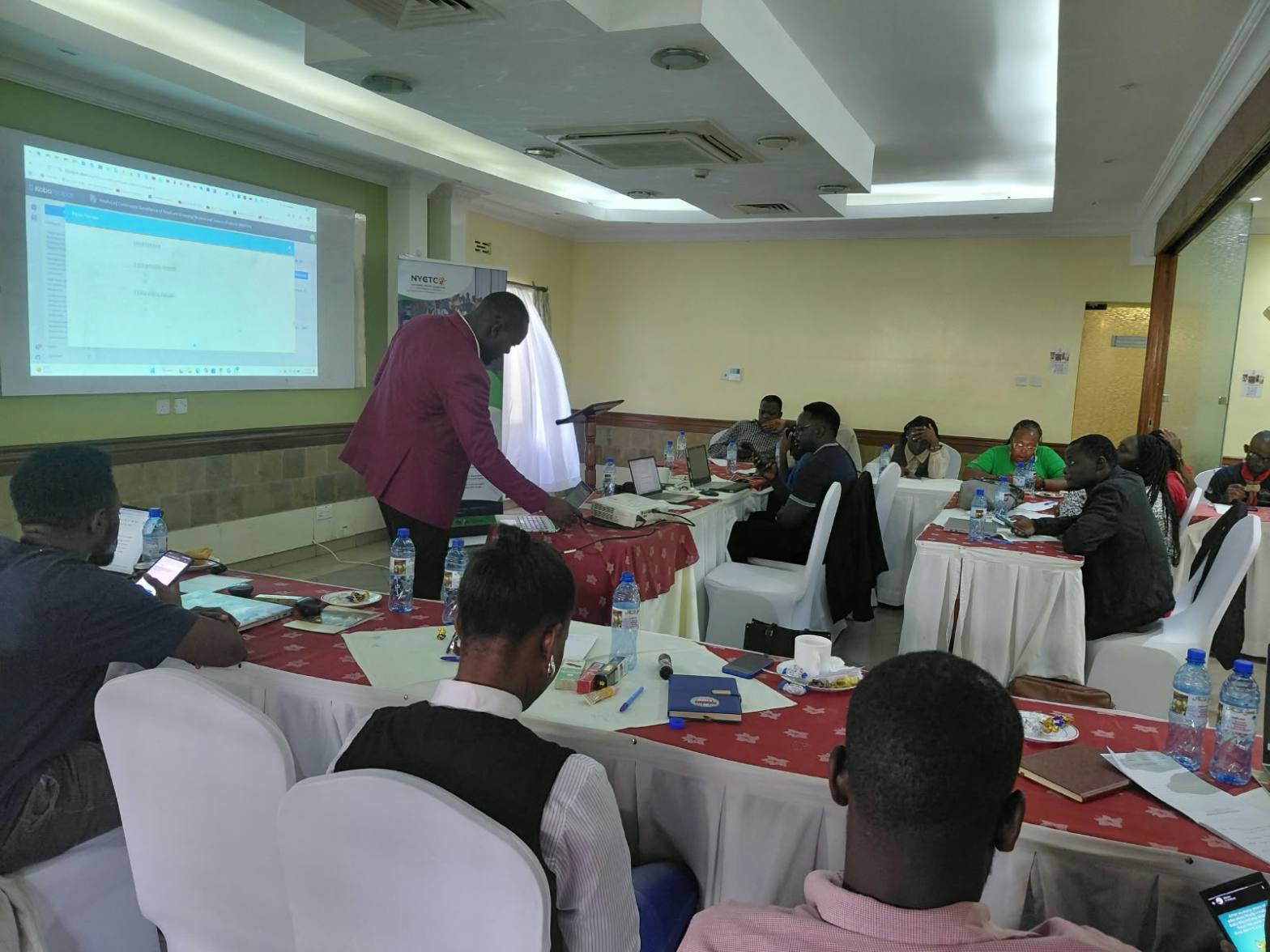
I recently had the opportunity to train youth enumerators under the National Youth Coalition for Tobacco Control (NYCTC) as part of a research study investigating the availability, accessibility, and marketing of Novel and Emerging Nicotine and Tobacco Products (NENTPs) in Kenya.
I facilitated the training alongside Winnie Awuor, the Principal Investigator (PI), for the study commissioned by the Kenya Tobacco Control and Health Promotion Alliance. As Co-Investigator, I am contributing to an initiative that seeks to generate evidence to strengthen tobacco control advocacy and inform policies that better protect young people.
However, what stood out most was that the session became much more than a conventional enumerator training. It became an opportunity for co-creation, critical reflection, and meaningful youth participation in the research process.
From Training to Co-Creation
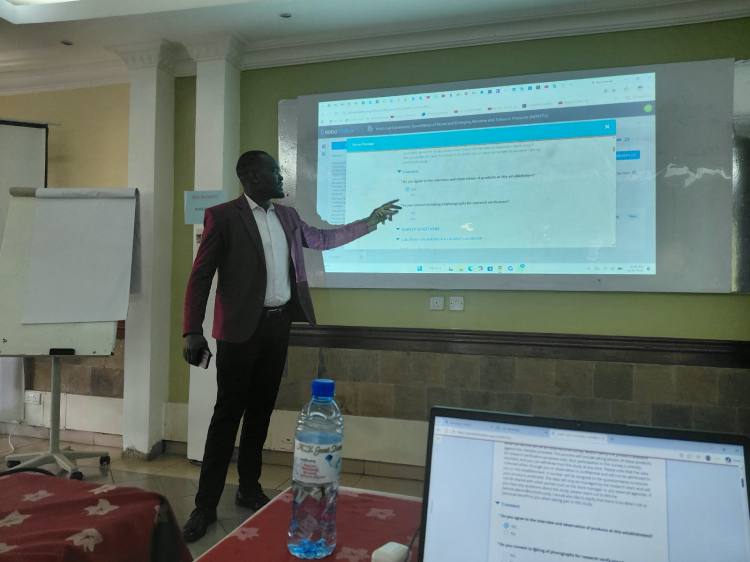
The purpose of the session was to familiarise the youth enumerators with the research and prepare them to use the data-collection tools. However, as we worked through the tools together, the enumerators began raising important questions, challenging aspects that required clarification, and identifying areas where the questions could be improved.
Their feedback was practical and valuable. It helped us reflect on whether the tools would capture the information the study needs and whether the questions were sufficiently clear to support consistent data collection in the field.
I particularly appreciated the willingness of the enumerators to interrogate the tools rather than simply accept them as presented. Their contributions reinforced an important lesson: the quality of research depends not only on the research design, but also on the quality of the instruments used to collect data and the perspectives considered when developing them.
We are now incorporating their feedback into the refinement of the data-collection tools before proceeding to fieldwork.
Why Youth Participation Matters in Tobacco Control Research
Novel and Emerging Nicotine and Tobacco Products are an important area of public health concern, particularly as the availability, marketing, and accessibility of these products evolve.
Understanding how these products are presented to consumers, where they are sold, how they are priced, and how young people may encounter them requires evidence grounded in real-world settings.
Young people bring valuable perspectives to this process. Their understanding of the environments in which their peers encounter these products can help researchers identify gaps, question assumptions, and improve the relevance of data-collection approaches.
Meaningful youth participation should therefore extend beyond mobilising young people to collect data. It should include opportunities for them to question research approaches, provide feedback on data-collection instruments, and contribute to the processes through which evidence is generated.
For me, this is an important aspect of youth-led tobacco control advocacy. Young people should not only be the intended beneficiaries of research and policy interventions; they should also be active contributors to the evidence and decisions that affect their lives.
Our Priority: Quality Data and Credible Evidence
As we prepare for the next phase, our focus is on ensuring that the refined tools can effectively capture the information required by the study.
The research will use three complementary approaches:
- Community surveys to gather information relevant to the availability, accessibility, and marketing of NENTPs.
- Physical product audits to document products and marketing practices in relevant retail environments.
- Digital monitoring to examine the marketing and promotion of these products through digital platforms.
Together, these approaches will help build a clearer picture of how NENTPs are made available, marketed, and accessed within Nairobi County.
Collecting this information requires well-designed tools, clear questions, consistent procedures, and careful attention to data quality. The enumerators’ feedback has been an important contribution towards achieving these objectives.
Ultimately, the goal is not simply to collect data, but to generate credible and useful evidence that can inform advocacy, strengthen accountability, and support effective tobacco control policies.
Looking Ahead
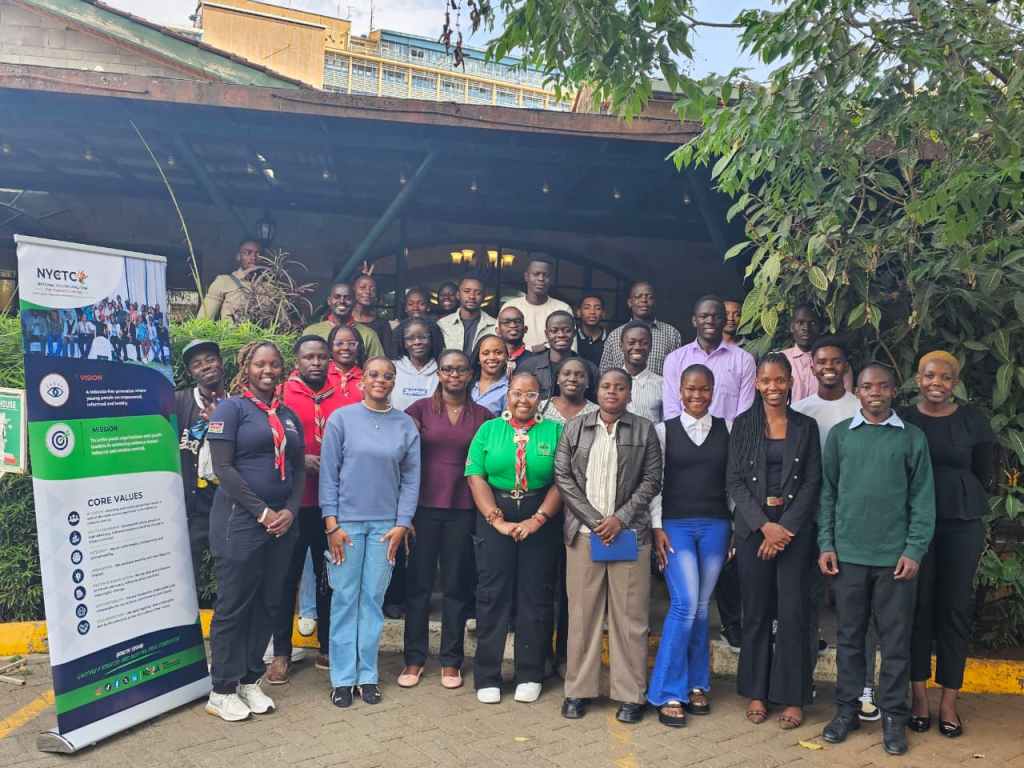
I am grateful to the youth enumerators for their active participation, thoughtful questions, and constructive feedback. Their contributions have made the process more collaborative and strengthened our approach to preparing for data collection.
I also appreciate Winnie Awuor and the wider research team for working together to ensure that we have tools capable of capturing the evidence the study seeks to generate.
The next step is to finalise the tools and begin data collection. I look forward to seeing this work translate into evidence that can support the efforts of the National Youth Coalition for Tobacco Control and other stakeholders working to address the challenges posed by Novel and Emerging Nicotine and Tobacco Products in Kenya.
One lesson from this experience is worth carrying forward: when young people are given meaningful opportunities to contribute, research becomes more than a process of collecting information. It becomes a collaborative effort to understand realities, strengthen evidence, and inform action.
#TobaccoControl #YouthLedResearch #NENTPs #NYCTC #EvidenceBasedAdvocacy

