When we talk about obesity, the conversation often focuses on individual responsibility: eat healthier, exercise more and maintain a healthy weight.
But how much choice do people really have when the environment around them makes unhealthy choices easier, cheaper, more accessible and more heavily promoted?
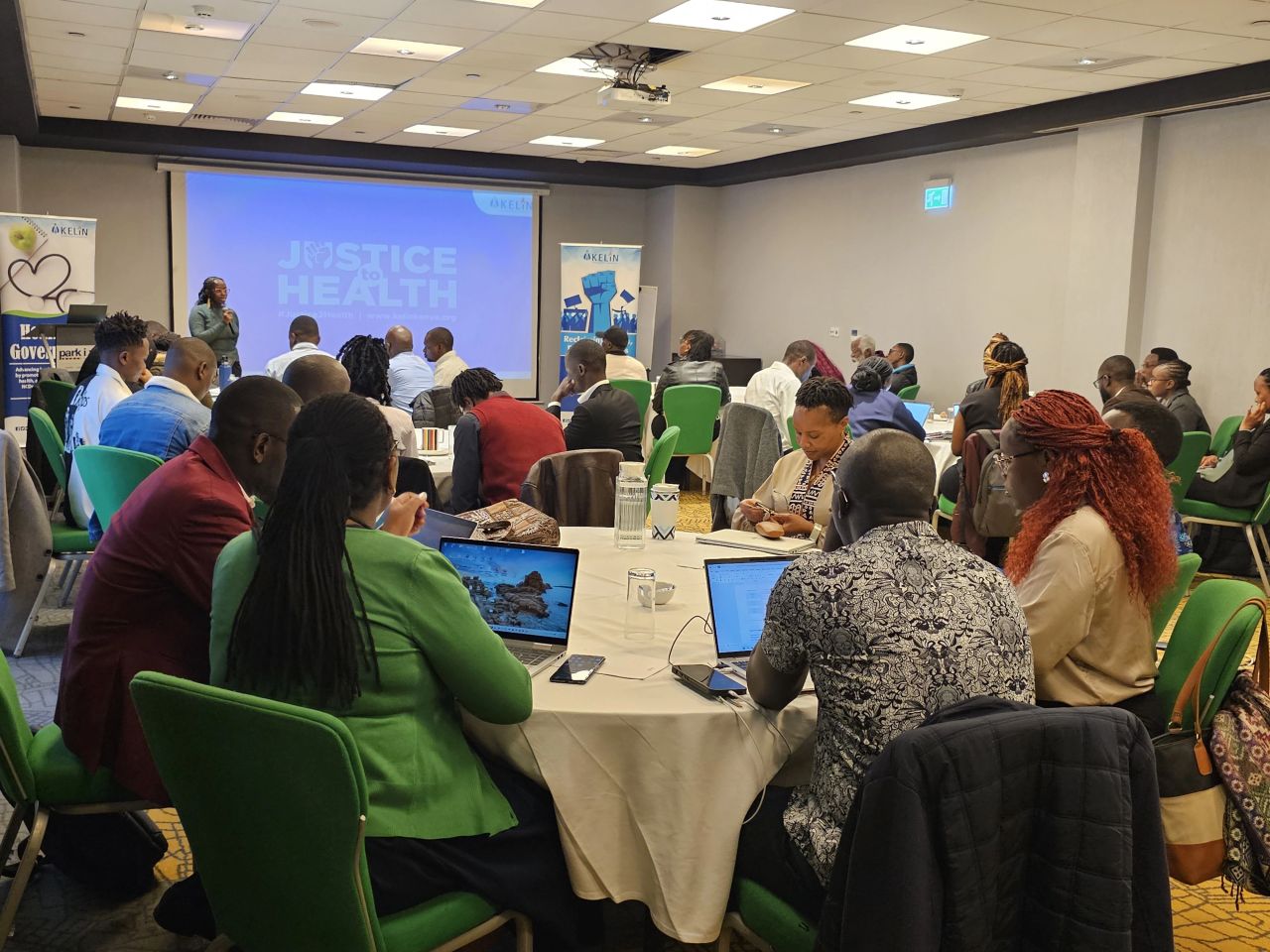
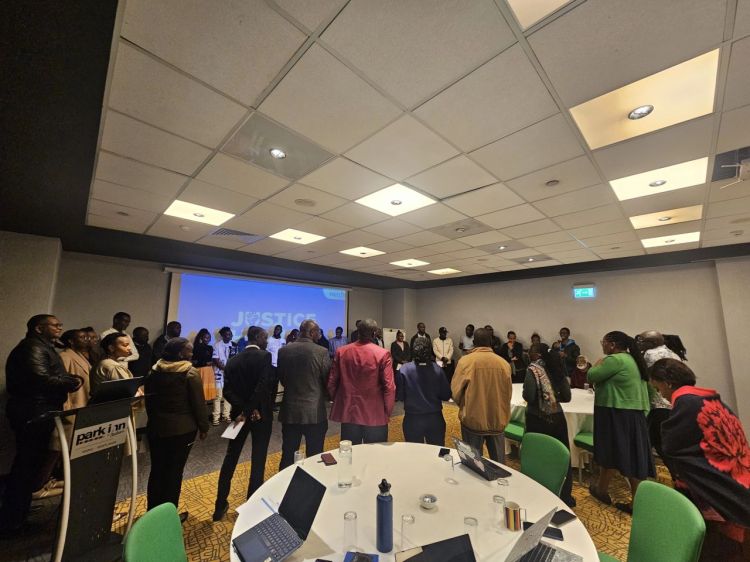
This was one of the questions I reflected on during a recent dialogue convened by KELIN, bringing together community representatives, civil society organizations, the Healthy Food Alliance, technical stakeholders and decision-makers to discuss Kenya’s healthy food environment policies.
The dialogue provided an opportunity for communities to share their lived experiences around food affordability, nutrition information, unhealthy food marketing and diet-related diseases, while decision-makers and technical stakeholders reflected on ongoing policy processes.
For me, the conversation was particularly important because of the growing burden of obesity and its relationship with the food environment.
Obesity Is Not Just About Individual Choices
Obesity is a major public health concern because excess body weight increases the risk of several non-communicable diseases, including cardiovascular disease and type 2 diabetes.
We also need to pay greater attention to central obesity—the accumulation of excess fat around the abdomen. Central obesity is particularly concerning because it is associated with increased cardiometabolic risk, including heart disease and other chronic conditions.
Yet we often approach obesity as though it is simply a failure of individual discipline.
That perspective misses the wider system.
People make food choices within environments shaped by what foods are available, how affordable they are, how they are marketed and what information consumers receive when making purchasing decisions.
If we want to prevent obesity, we therefore need to ask not only “What can individuals do differently?” but also:
“What can we change about the environment in which those choices are made?”
Lessons From Mexico: Making the Unhealthy Choice Visible
During my recent trip to Mexico, I had the opportunity to interact with the country’s black octagonal front-of-pack warning labels.
They immediately stood out.
The labels provide simple, prominent warnings when packaged foods are high in nutrients of concern. Rather than requiring consumers to interpret complicated nutritional tables, the warning system provides information that can be understood quickly at the point of purchase.
But what I found particularly interesting is that the potential impact goes beyond consumer awareness.
Front-of-pack warning labels can also create incentives for manufacturers to reformulate their products. If a company can reduce the levels of nutrients of concern sufficiently to avoid a warning label, there is an incentive to change the composition of the product.
This means that the intervention can influence both sides of the food environment: it can inform consumers while encouraging healthier product formulation.
For obesity prevention, this is important.
Reducing the availability and consumption of foods high in nutrients of concern can contribute to healthier dietary patterns and potentially reduce the risk of obesity and other diet-related NCDs.
Kenya Has an Opportunity to Go Further
Kenya has already taken an important step by developing the Kenya Nutrient Profile Model.
This provides an important foundation for determining the nutritional characteristics of foods and supporting policies aimed at improving the food environment.
However, we should also consider how that technical framework can translate into information that consumers can easily understand.
This is where mandatory front-of-pack warning labels can play an important role.
A consumer standing in a shop should not need to be a nutritionist to understand whether a product contains high levels of nutrients associated with poor health outcomes.
Clear front-of-pack warnings can make that information visible and actionable.
At the same time, the policy should not be viewed only as a consumer education intervention. It can also encourage manufacturers to reformulate products and reduce the levels of nutrients that trigger warnings.
Kenya should therefore build on the Kenya Nutrient Profile Model and move towards an effective, mandatory front-of-pack warning labelling system.
What I Saw in Bath: Information at the Point of Purchase
I also shared another experience from my recent travels.
During my visit to Bath, I went to a McDonald’s restaurant and observed calorie information being provided when ordering food.
Again, calorie labelling alone will not solve obesity.
But there is value in providing information where and when people are making decisions.
When someone is ordering a meal, knowing the calorie content gives them another piece of information to consider before making their choice.
These interventions will not work in isolation, but they demonstrate an important principle: information and policy can help reshape the decisions people make within the food environment.
From Individual Responsibility to Shared Responsibility
The dialogue reinforced something that is increasingly important in the obesity conversation: we cannot place the entire burden of prevention on individuals.
Telling people to eat healthier is important, but it is not enough.
People cannot determine how food manufacturers formulate products. They cannot individually control how unhealthy foods are marketed. They cannot decide what nutritional information appears on packaging. And they cannot always determine whether healthier options are affordable and accessible.
These are also policy and systems issues.
This does not mean individuals have no responsibility for their health. Rather, it means that individual responsibility must be accompanied by institutional and policy responsibility.
If we expect people to make healthier choices, we need to create environments that make those choices possible.
What Should Kenya Do?
A comprehensive approach to obesity prevention should consider interventions across the food system.
This includes:
- Adopting clear and mandatory front-of-pack warning labels informed by the Kenya Nutrient Profile Model.
- Strengthening regulation of the marketing of unhealthy foods, particularly to children and young people.
- Improving access to affordable and nutritious foods.
- Providing clear nutrition information at points of purchase.
- Encouraging food manufacturers to reformulate products and reduce nutrients of concern.
- Ensuring communities have a meaningful role in shaping food policies.
- Strengthening collaboration between government, civil society, technical experts, researchers and communities.
- Ensuring public health policies are protected from conflicts of interest that could undermine their effectiveness.
These measures are not only about preventing obesity. They can contribute to reducing the broader burden of diet-related diseases, including cardiovascular disease and diabetes.
We Need to Change the Environment, Not Just the Individual
One of the strongest reflections I took away from the dialogue is that healthy choices are easier when the environment supports them.
My experiences in Mexico and Bath showed me different ways in which policy and information can influence food choices and, potentially, the food supply itself.
Mexico’s front-of-pack warning labels demonstrate how a policy can simultaneously inform consumers and create incentives for industry reformulation. The availability of calorie information at food outlets demonstrates how information can be provided at the point where consumers make decisions.
Kenya can learn from these experiences while developing policies suited to our own context.
The fight against obesity should not be reduced to telling people to “eat less and exercise more.” We need to examine the systems that shape what people eat in the first place.
If we want healthier people, we need healthier food environments.
And if we are serious about preventing obesity and diet-related NCDs, Kenya must continue moving from awareness to policy action.
I am grateful to KELIN for convening this important dialogue and for providing an opportunity for communities, civil society, technical stakeholders and decision-makers to come together and discuss how we can build a healthier food environment.
The voices of communities must remain at the centre of this conversation.
Because creating a healthier food environment is ultimately not just about changing what is on our plates—it is about changing the systems that shape what gets onto our plates.
 ODUOR KEVIN