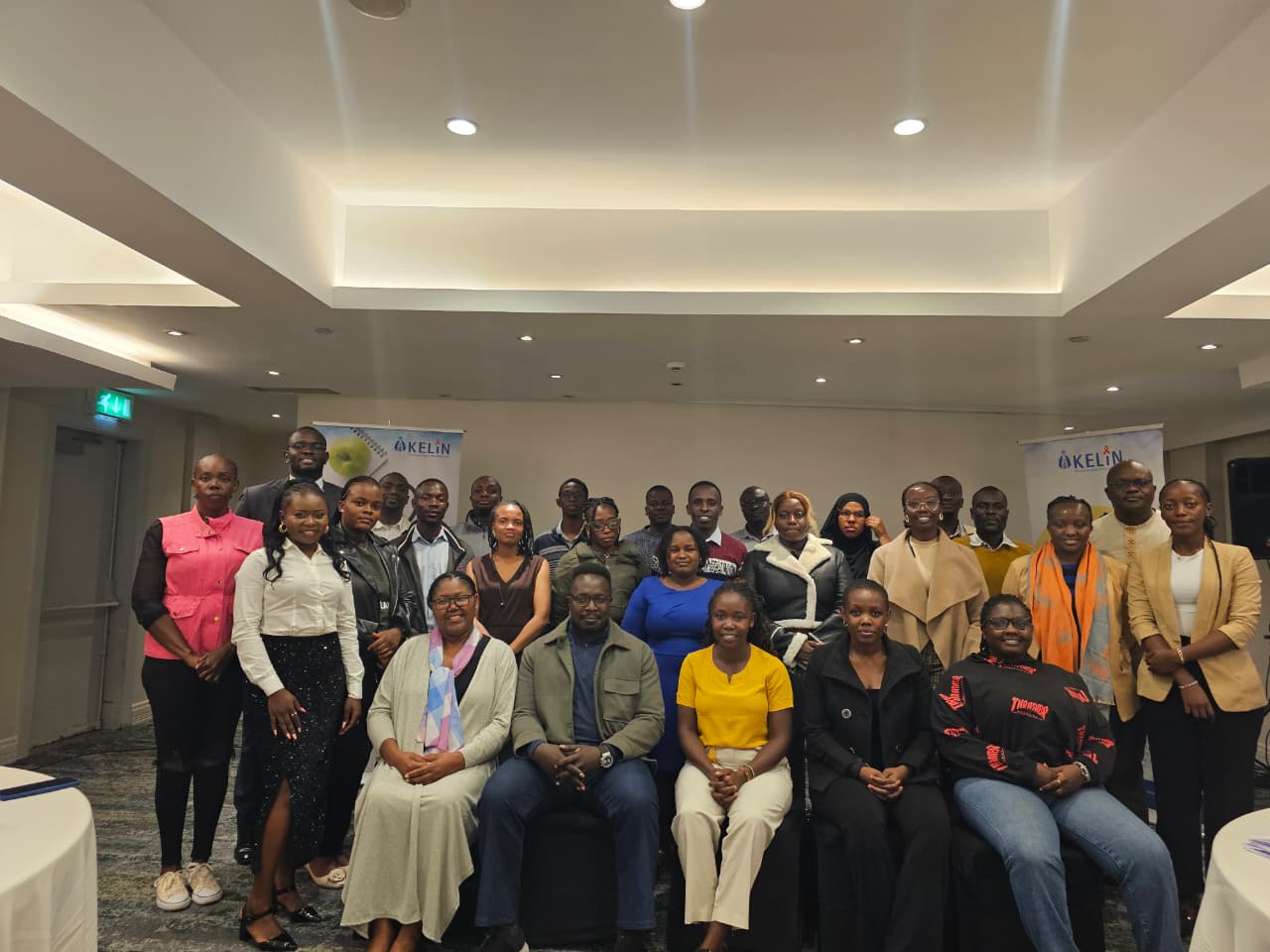
I was glad to participate in the Validation Workshop for the Simplified Kenya Nutrient Profile Model, convened by KELIN on 17 September 2026.
The workshop brought together policymakers, researchers, civil society organisations and other key stakeholders to review and validate the proposed simplified nutrient profile model. It also provided an opportunity to discuss how the model could potentially be applied to support healthy food policies in Kenya and to build consensus on the way forward for its implementation.
Why the Nutrient Profile Model Matters
Nutrient profiling provides a structured approach for assessing the nutritional composition of foods and beverages against defined criteria. A simplified model can potentially make this process more practical and accessible for policy and public health applications.
The discussions during the workshop highlighted the importance of developing approaches that are evidence-informed, practical and responsive to Kenya’s food environment. Bringing together stakeholders from different sectors also creates an opportunity to consider diverse perspectives and strengthen the relevance and applicability of the proposed model.
The Importance of Stakeholder Engagement
One of the key aspects I appreciated about the workshop was the opportunity for different stakeholders to engage with the proposed model. Policymakers, researchers, civil society organisations and other actors bring different experiences and perspectives to food policy discussions.
Such engagement is important when developing and refining public health policy tools. Validation processes can help identify areas that require clarification or refinement while supporting greater understanding and ownership among stakeholders who may contribute to implementation.
Looking Ahead
Kenya’s efforts to strengthen healthy food policies require continued collaboration, evidence generation and meaningful stakeholder engagement. The Simplified Kenya Nutrient Profile Model represents one of the tools being considered in this broader policy environment.
I was pleased to contribute to the discussions and learn from other stakeholders working to strengthen food policy and nutrition outcomes in Kenya. Continued dialogue between government, researchers, civil society and other relevant actors will remain important as Kenya considers the potential application and implementation of the model.
#FoodPolicyKE #FoodPolicy

