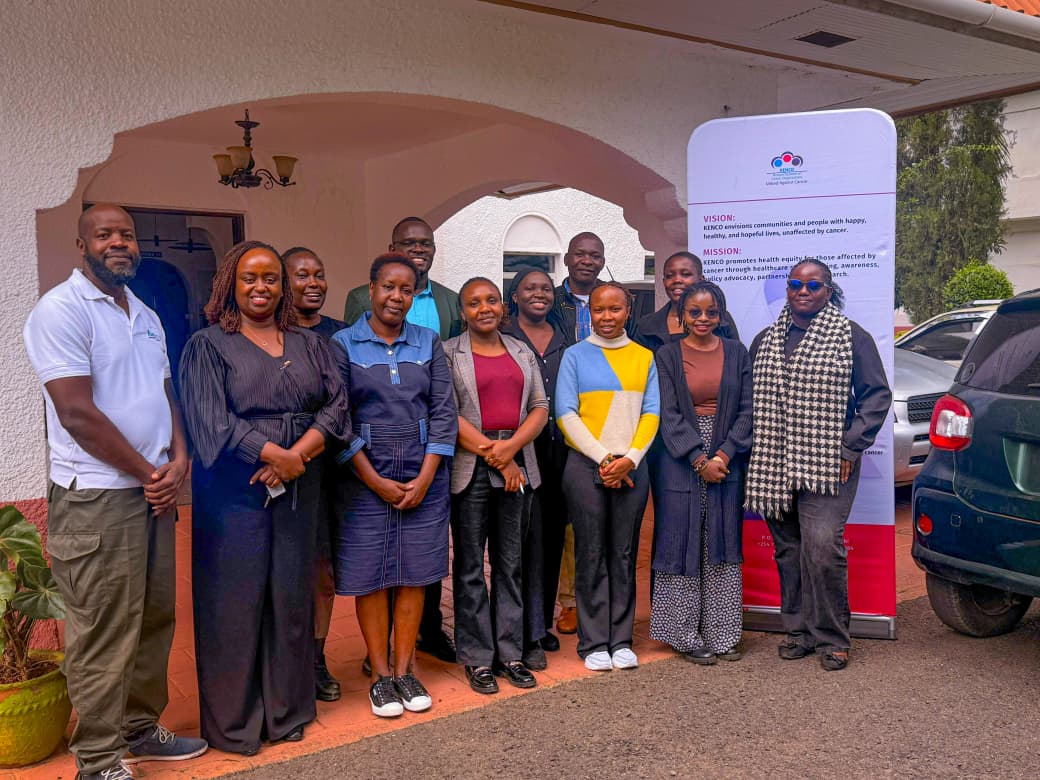
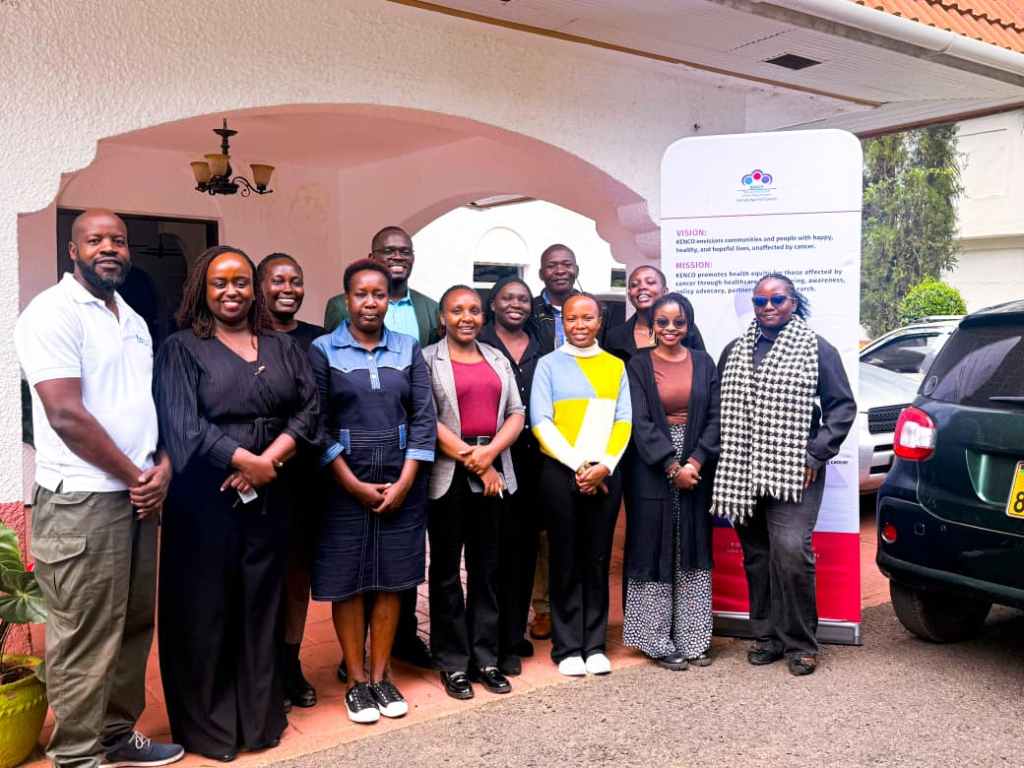
I had the opportunity to participate in a communications review meeting convened by the Kenyan Network of Cancer Organizations (KENCO) under the MWANGA AFRON Project—an engaging and insightful session that brought together communications professionals to reflect on the performance of recent social media campaigns.
A key takeaway from the discussion was the urgent need for resource optimization, particularly in the context of shrinking donor funding. There was strong consensus that communications strategies must become more efficient, leveraging low-cost, high-impact approaches such as strategic partnerships, organic engagement, and repurposing content across platforms. The focus is shifting from volume to value—ensuring every piece of content serves a clear purpose and delivers measurable outcomes.
Another critical area of reflection was the need to move beyond vanity metrics such as likes, impressions, and reach. While these indicators provide a surface-level view of performance, they do not adequately capture real-world impact. The discussion emphasized the importance of integrating impact tracking mechanisms—such as linking campaigns to service uptake, behavior change indicators, or policy engagement outcomes. This requires stronger alignment between communications and programmatic teams, as well as investment in monitoring and evaluation frameworks that can attribute change to communication efforts.
We also explored the importance of targeted messaging. Generic, one-size-fits-all campaigns are increasingly ineffective in today’s fragmented digital landscape. Instead, there is a need for audience segmentation and tailored messaging that resonates with specific demographics, cultural contexts, and behavioral drivers. This approach not only enhances engagement but also increases the likelihood of translating awareness into action.
Overall, the session reinforced that effective health communication is not just about visibility—it is about influence and impact. As we navigate a resource-constrained environment, strategic clarity, data-driven decision-making, and audience-centric approaches will be essential.
I would like to sincerely thank KENCO for convening this important conversation and for fostering a space where practitioners can share, learn, and collectively strengthen the impact of cancer-related communications in Kenya.

