
Yesterday, I had the honor of attending the launch of The Changing Landscape of Women and Alcohol Harm report by Movendi International. As we approach International Women’s Day, this report reveals a deeply troubling trend—Big Alcohol is targeting women under the guise of empowerment, fueling a growing but often overlooked public health crisis.
Alcohol’s Gendered Impact
Women experience greater harm from alcohol consumption than men. Biologically, women metabolize alcohol differently, leading to:
- Increased risk of breast cancer—alcohol causes 7 types of cancer, yet the industry aggressively markets to women.
- Faster progression to alcohol use disorder and addiction.
- Higher vulnerability to mental health disorders, including depression and anxiety.
Yet, while the health risks for women are well-documented, alcohol marketing has never been more aggressive.
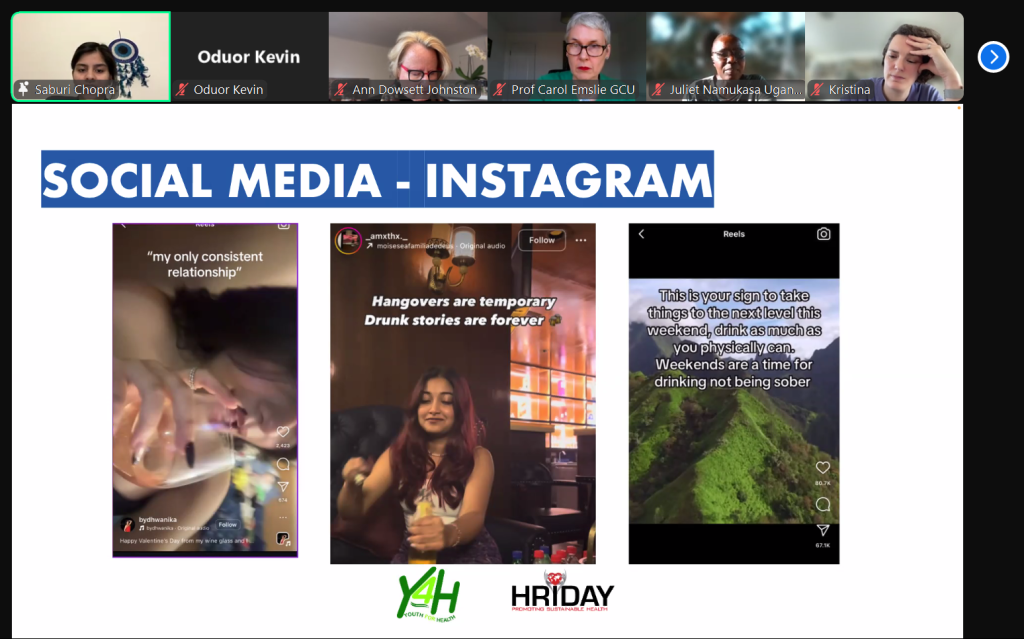
The Industry’s Deceptive Tactics
For decades, alcohol advertising sexualized women to appeal to male consumers. Now, the focus has shifted—women themselves are the target.
- Feminized packaging – sleek, pink bottles and “healthier” alcohol options designed to fit “women’s lifestyles.”
- Social media campaigns – influencers glamorizing alcohol as “self-care” or a “reward” for hardworking women.
- Exploiting feminism – marketing alcohol as a symbol of power, independence, and confidence.
The message is clear: “A strong woman drinks.” But behind this narrative lies a cruel truth—empowerment does not come in a bottle, but breast cancer might.
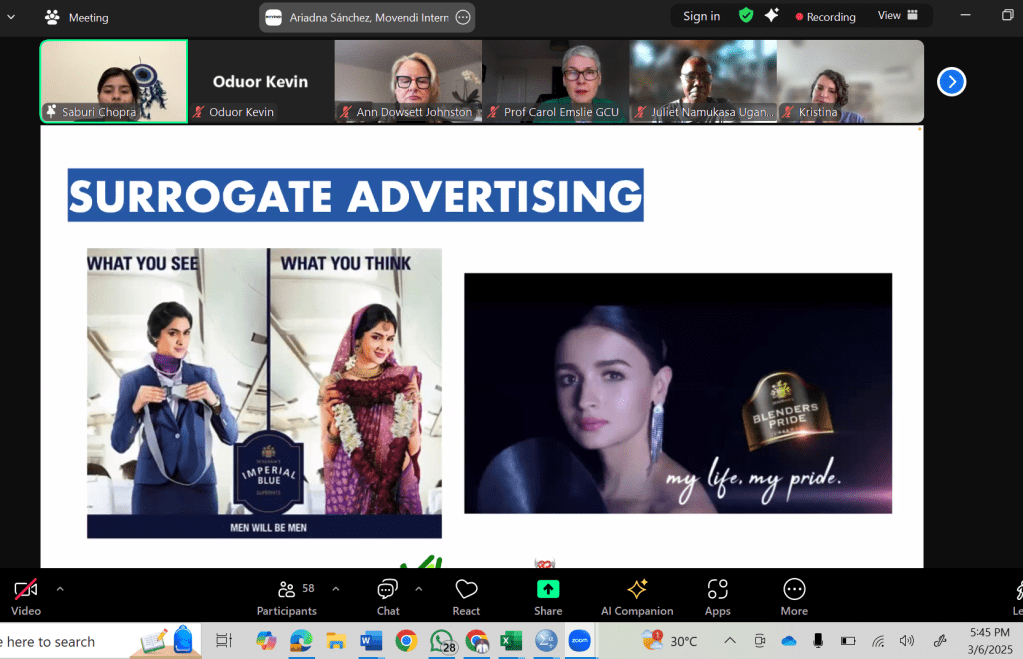
Solutions We Must Demand
🚨 Expose the alcohol industry’s tactics—stop them from hijacking feminist narratives.
🚨 Increase alcohol taxes to reduce accessibility and fund women’s health programs.
🚨 Ban alcohol marketing, particularly social media and influencer partnerships.
🚨 Push for a global alcohol control treaty, similar to tobacco regulations.
It’s time to put women’s health above corporate profits. The alcohol industry is not empowering women—it is endangering them. We must act now.
📖 Read the full report: https://movendi.ngo/wp-content/uploads/2025/03/Women-and-alcohol.pdf
 ODUOR KEVIN