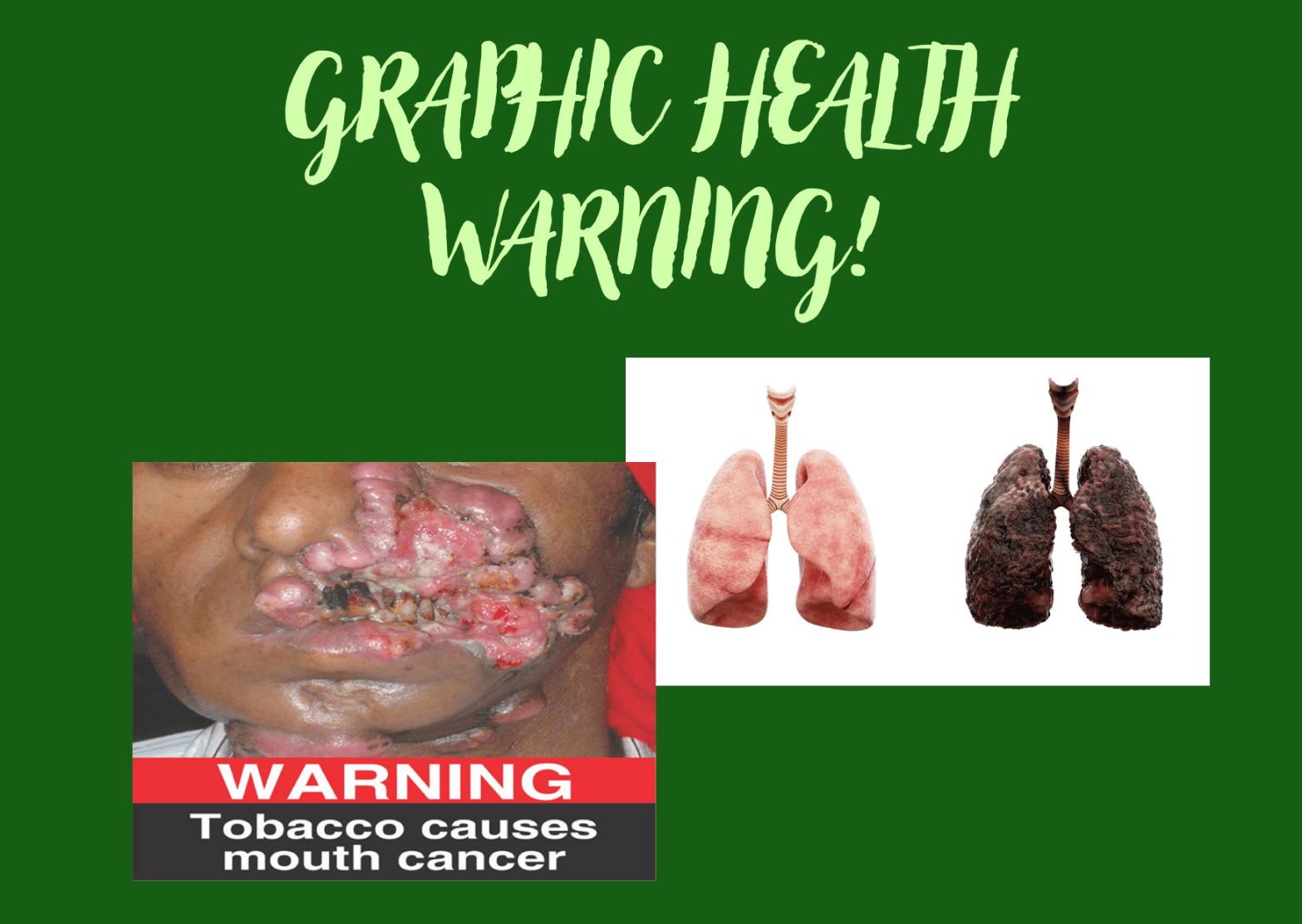
Tobacco and the Non-Communicable Disease (NCD) Burden
Tobacco use is one of the leading risk factors for non-communicable diseases (NCDs), including cardiovascular diseases, chronic respiratory diseases, cancers, and diabetes (World Health Organization, 2023). According to the Centers for Disease Control and Prevention (CDC), smoking is the leading cause of preventable deaths globally, responsible for over 7 million deaths per year. Without urgent interventions, this number is projected to exceed 8 million annual deaths by 2030 (CDC, 2023). Tobacco contains over 7,000 toxic chemicals, many of which are carcinogenic, contributing to diseases such as lung cancer, chronic obstructive pulmonary disease (COPD), and stroke.
In response to this public health crisis, governments worldwide have adopted evidence-based interventions to reduce tobacco consumption. One such intervention is Graphic Health Warnings (GHWs) on cigarette packages, which are proven to raise awareness about the dangers of smoking and encourage cessation.
Kenya’s Bold Move: Publication of Graphic Health Warnings
The Ministry of Health has recently published new Graphic Health Warnings (GHWs) to be printed on cigarette packets, a move that aligns with global best practices in tobacco control. These warnings, featuring explicit images and messages about smoking-related diseases, serve as a powerful tool to deter tobacco use. As tobacco control champion with Youth in Power Africa Rise (YIPAR) and a digital advocate with the International Institute for Legislative Affairs (IILA), I take immense pride in contributing to the public participation process that shaped these warnings. This achievement reflects years and efforts of advocacy and underscores the government’s commitment to protecting public health.
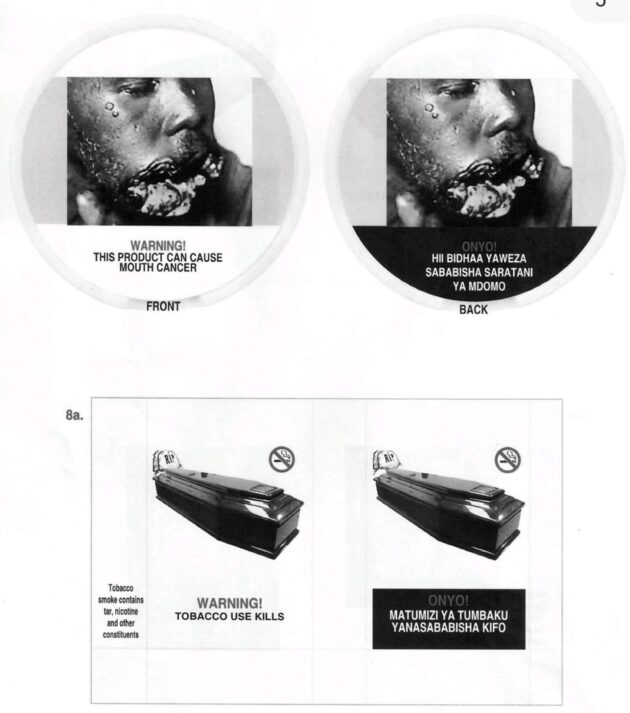
Extensive research supports the effectiveness of GHWs in tobacco cessation. A landmark study by Cunningham (2022) in Tobacco Control highlights that countries with strong graphic warnings on cigarette packages experience significant reductions in smoking prevalence. These warnings function through multiple mechanisms:
- Increasing Awareness of Health Risks: Graphic warnings vividly depict the real-life consequences of smoking, making the dangers more tangible. Studies show that text-only warnings are less effective compared to pictorial warnings, which engage smokers on an emotional level
- Enhancing Motivation to Quit: Research indicates that larger and more graphic warnings lead to higher quit attempts. Smokers exposed to disturbing images of diseased lungs or oral cancer lesions are more likely to seek cessation support and consider quitting.
- Reducing Smoking Initiation Among Youth: Young people are particularly vulnerable to tobacco advertising. GHWs counteract the appeal of cigarette branding, preventing youth from picking up the habit in the first place.
- Supporting Behavioral Change: In countries like Australia and Canada, GHWs have contributed to declining smoking rates, reinforcing that these warnings are an essential public health strategy.
A Global Success Story and Kenya’s Future in Tobacco Control
Graphic Health Warnings have been successfully implemented in over 120 countries, demonstrating their effectiveness in reducing tobacco consumption (Shadel et al., 2024). Nations that have enforced larger warnings covering at least 50% of cigarette packs (WHO, 2011) report higher rates of smoking cessation and lower smoking initiation rates (Wakefield et al., 2015).
Kenya’s publication of the GHWs is a step in the right direction. However, this measure must be complemented by stronger tobacco control policies, including higher taxation on tobacco products, comprehensive smoking bans in public places, and continued public awareness campaigns.


A Win for Public Health, A Call for Further Action
The publication of new Graphic Health Warnings in Kenya is a significant victory in the fight against tobacco-related NCDs. As an NCD advocate and public health professional, I am proud to have contributed to this process through public participation and advocacy. However, the work does not stop here. We must continue to push for evidence-based policies that prioritize health over the interests of the tobacco industry.
With continued advocacy and strong political will, Kenya can further reduce tobacco use, save lives, and protect future generations from the devastating health effects of smoking.
References
CDC (2023). Diseases and Death | CDC. [online] archive.cdc.gov. Available at: https://archive.cdc.gov/www_cdc_gov/tobacco/data_statistics/fact_sheets/fast_facts/diseases-and-death.html.
Cunningham, R. (2022). Tobacco package health warnings: a global success story. Tobacco Control, 31(2), pp.272–283. doi:https://doi.org/10.1136/tobaccocontrol-2021-056560.
Shadel, W.G., Martino, S.C., Setodji, C.M., Dunbar, M., Jenson, D., Wong, J.CS. and Falgoust, G. (2024). Doing more with less: A proposal to advance cigarette packaging regulations in the United States. International Journal of Drug Policy, [online] 124(2), p.104308. doi: https://doi.org/10.1016/j.drugpo.2023.104308
Wakefield, M., Coomber, K., Zacher, M., Durkin, S., Brennan, E. and Scollo, M. (2015). Australian adult smokers’ responses to plain packaging with larger graphic health warnings 1 year after implementation: results from a national cross-sectional tracking survey. Tobacco Control, 24(Suppl 2), pp.ii17–ii25. doi:https://doi.org/10.1136/tobaccocontrol-2014-052050.
WHO (2011). WHO REPORT On THE glObal TObaCCO EPidEmiC, 2011 Warning about the dangers of tobacco. [online] Available at: https://iris.who.int/bitstream/handle/10665/44616/9789240687813_eng.pdf?sequence=1.
World Health Organization (2023). Tobacco use. [online] World Health Organization – Regional Office for the Eastern Mediterranean. Available at: https://www.emro.who.int/noncommunicable-diseases/causes/tobacco-use.html.
 ODUOR KEVIN