
Alcohol use is deeply rooted in ancient and modern cultures of many countries across the world. While the undesirable social and economic outcomes are apparent, the health effects of alcohol have been disregarded or overlooked altogether.
Alcohol accounts for 3.8% of all global death and 4.6% of global DALYs and costs associated with its use represent over 1% of GDP in both high-income and middle-income countries. These costs are not limited to healthcare expenditures—they include productivity losses and various other social harms such as violence.
There are a range of policy and programmatic interventions that can be adopted to limit alcohol consumption. SAFER, a new initiative and technical package by WHO outlining 5 high-impact strategies that can help governments to reduce the harmful use of alcohol and related health, social, and economic consequences.
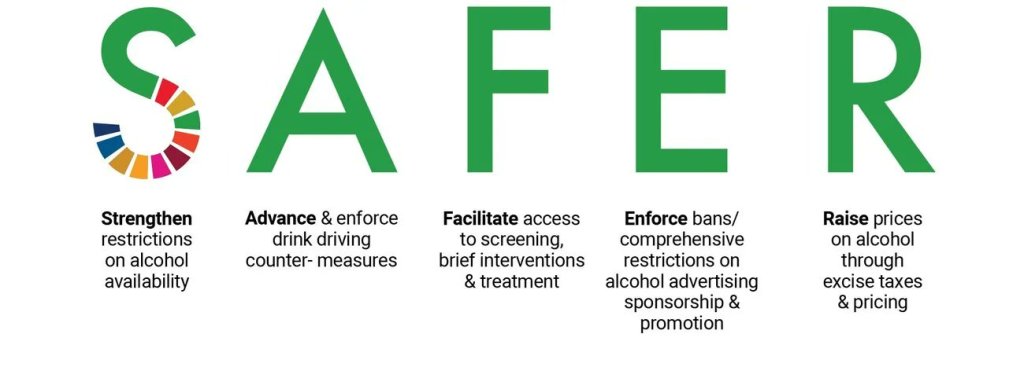
Alcohol taxation and pricing policies are among the most effective and cost-effective alcohol control measures. An increase in excise taxes on alcoholic beverages is a proven measure to reduce harmful use of alcohol and it provides governments revenue to offset the economic costs of harmful use of alcohol.
As NCDs advocates, we urge the government of Kenya, during this #alcoholawarenessweek, to ramp up alcohol control strategies to limit alcohol consumption. This will significantly help reduce the burden of NCDs associated with alcohol consumption such as stroke, high blood pressure and heart failure among others.
It is shocking that many people have been pushed into debt as they seek to maintain the rate at which they irrigate their parched throats. The socio-economic impacts of alcohol, and the deleterious long-term health effects, are glaring. Alcohol use is one of the five (5) risk-factors for non-communicable diseases (NCDs).
We must say, in no uncertain terms, that NO AMOUNT of alcohol is safe. Alcohol consumption has serious health implications. If we are to truly achieve SDG 3, then we must tackle the harmful effects of alcohol consumption. We must empower people to quit alcohol. Only then will we bask in celebration that we have achieved SDGs and heeded to the clarion call of “Leaving No One Behind.”
NOW IS THE TIME TO ACT. Because if not NOW, WHEN?

