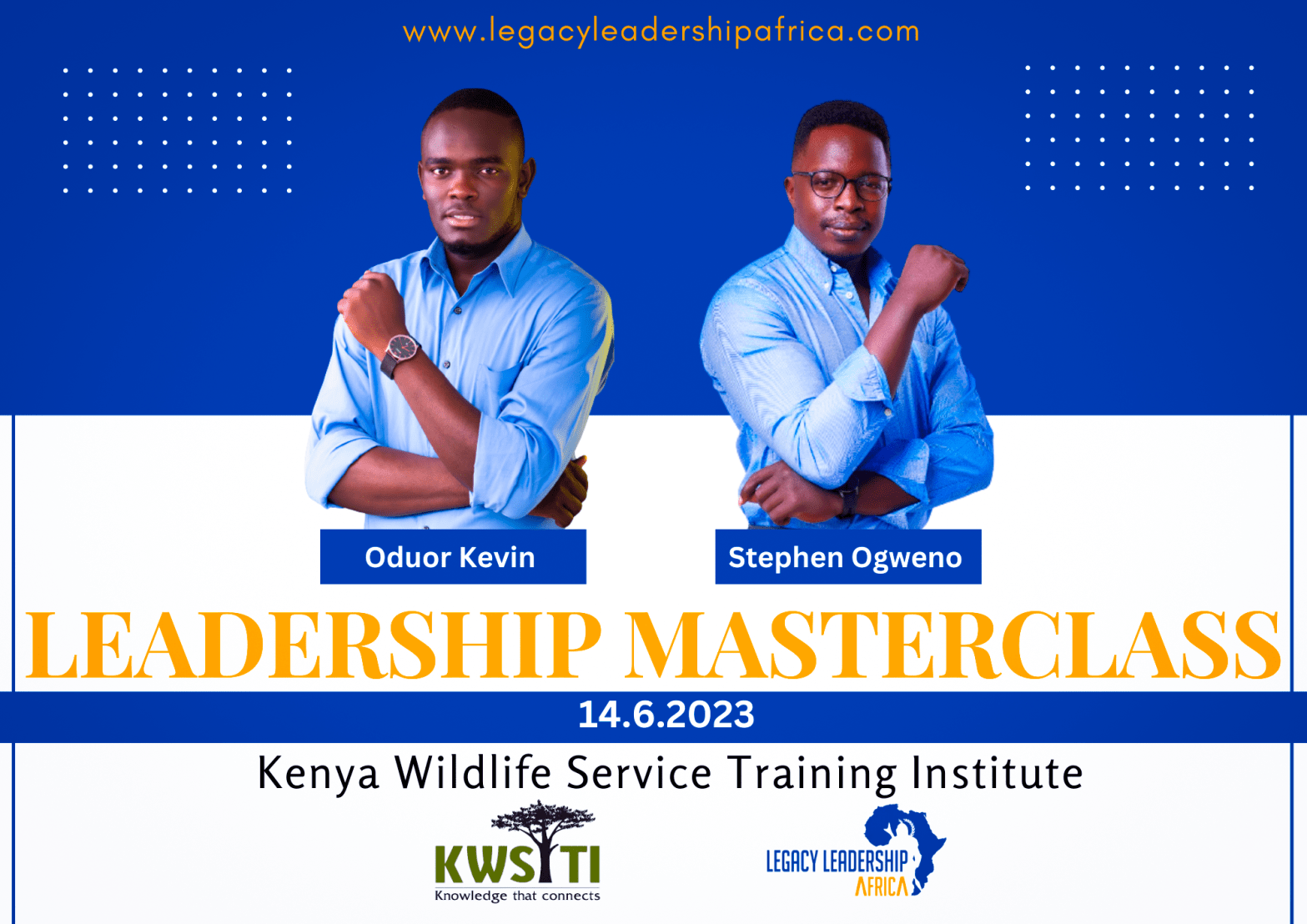
On the 14th day of June 2023, I facilitated a leadership masterclass at the Wildlife Research and Training Institute (WRTI) formally known as the Kenya Wildlife Service Training Institute (KWSTI). The masterclass covered two important thematic areas of leadership; Public Speaking and Person-Centered Approach. I facilitated this event following an invitation from the institution through my foundation; Legacy Leadership Africa (LLA). LLA is committed to spurring leadership growth and believes that impactful leadership is one that is geared toward leaving a lasting legacy.
WRTI boasts of its relentless dedication to nurturing leadership and supporting the student community to gain valuable skills through various activities such as leadership training among others. The masterclass was organized by the Peer Counselling department at the institution to equip and empower the newly recruited peer counselors with the requisite skills to execute their peer counseling mandate.
Together with the organizing committee, we identified the topics to cover during the leadership masterclass. It was established that public speaking skills and the understanding of a person-centered approach are indispensable for peer counselors since the nature of their work requires that they speak to people. Public speaking skills would be imperative for those hoping to have a glorious peer counseling experience. Public speaking can be described as speaking to a group of people in a structured, deliberate manner intended to inform, influence, or entertain the listeners. During the masterclass, I underscored the importance and types of public speaking. The benefits/importance of public speaking include;
- Improve self-confidence.
- Makes one more comfortable around other people.
- Helps to effectively get a message across.
- An avenue to make a difference in one’s life, in business, career, and community.
There are three types of public speaking which include;
- Informative public speaking.
- Persuasive public speaking.
- Entertaining public speaking.
In finishing the first session of the masterclass, I took the participants through the guidelines for effective public speaking. The guidelines include;
- Knowing the audience (Know their age and the number of people you will be lecturing or speaking to). It is also prudent to gain a clear understanding of the type of audience (friendly, hostile, critical, apathetic, or uninformed).
- Choosing a proper topic and doing enough research on it.
- Being prepared to answer questions following the presentation.
- Timing the presentation.
- Choosing proper attire.
- Delivering with confidence
- Thanking the audience after the presentation.

In the second session, I discussed person-centered approach. A person-centered approach (PCA) is a concept that has been used in the public health space to advocate for healthcare services offered with the patient at the center of the design and execution of the services. PCA is where the person is supported to lead their own care and treated as a person first. The focus is on the person and what they can do, not their condition or disability. PCA focuses on achieving the person’s aspirations and is tailored to their needs and unique circumstances. Counseling, being one of the health allied services, must adopt PCA as the underpinning concept/approach. According to Counselling Tutor, the person-centered approach to counseling belongs to the humanistic school of therapy as devised by Carl Rogers, an American psychologist. The psychologist, in 1950, proposed a form of therapy that focused on the client’s experience of themselves, as opposed to the counselor being an expert and telling them what to do, or what was wrong with them.
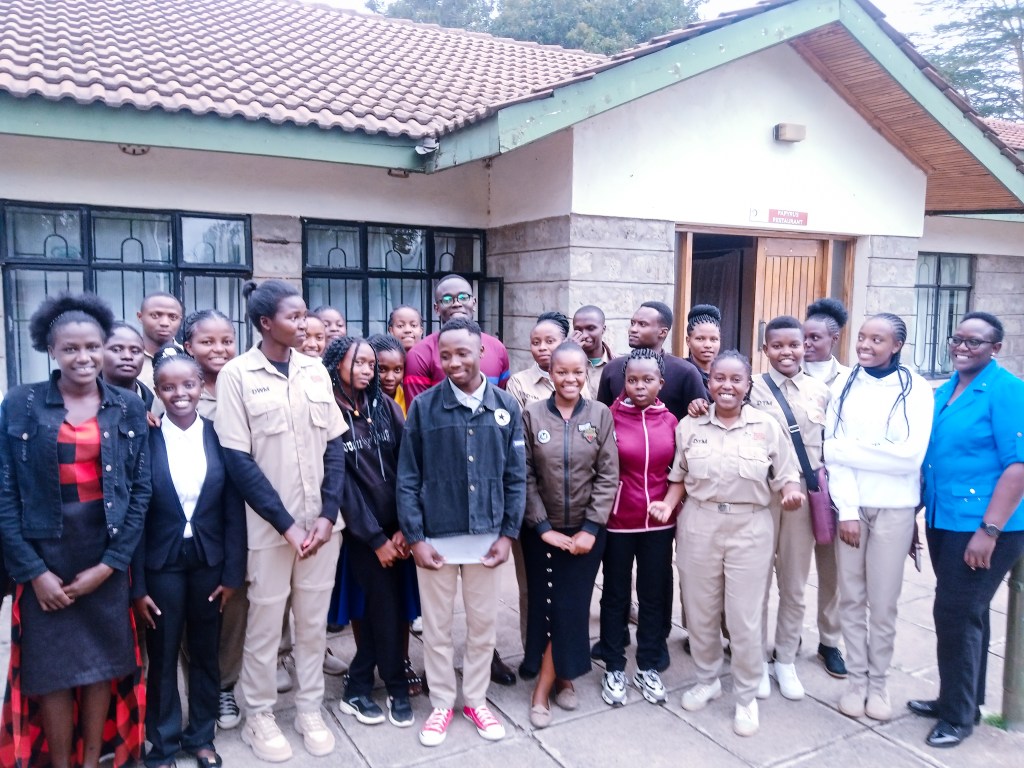
I implored the participants to incorporate and leverage the person-centered approach in their counseling activities while reminding them of the PCA values in practice and the core conditions for PCA. The PCA values in practice discussed during the masterclass include;
- Individuality
- Respect for rights
- Choice
- Respect for privacy
- Promoting individuals’ independence
- Upholding dignity
The core conditions for PCA include;
- Empathy (the counselor trying to understand the client’s point of view).
- Congruence (the counselor being a genuine person).
- Unconditional positive regard (the counselor being non-judgmental).
 ODUOR KEVIN