
A Defining Moment for NCD Prevention, Innovation, and Policy in Kenya
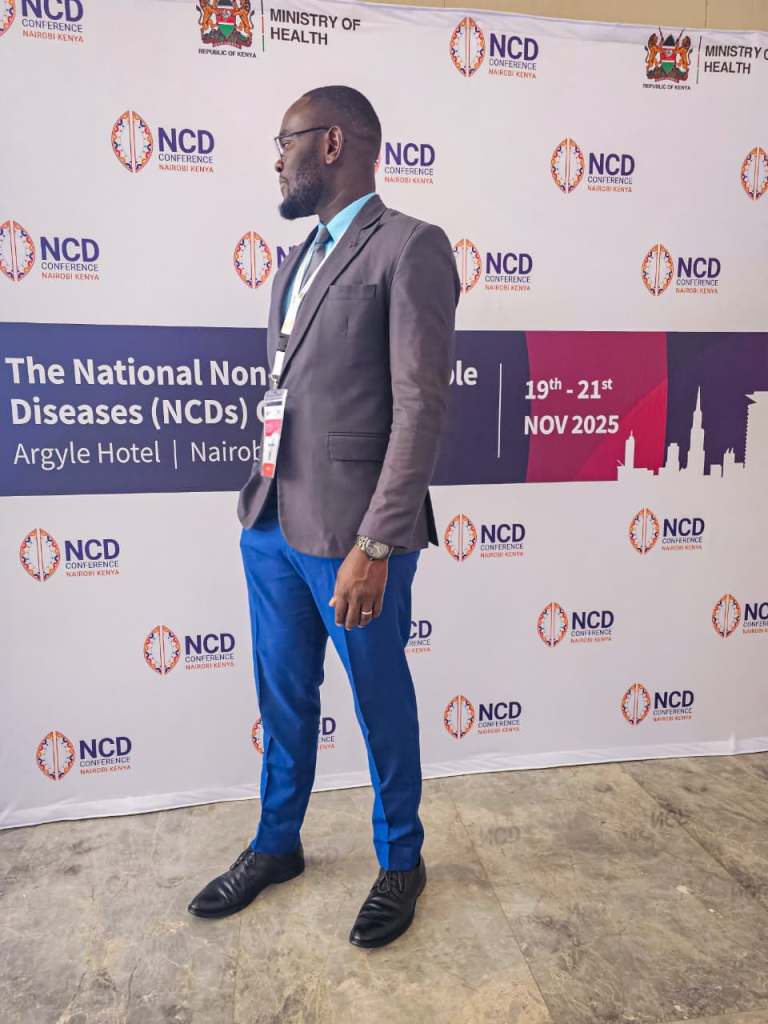
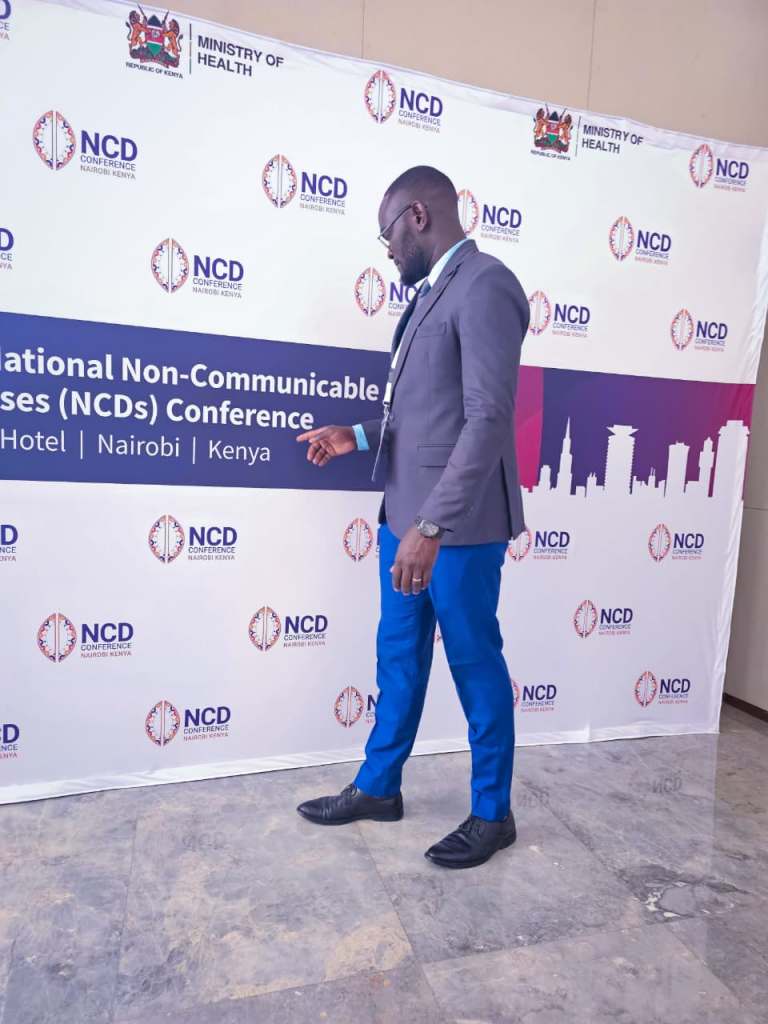
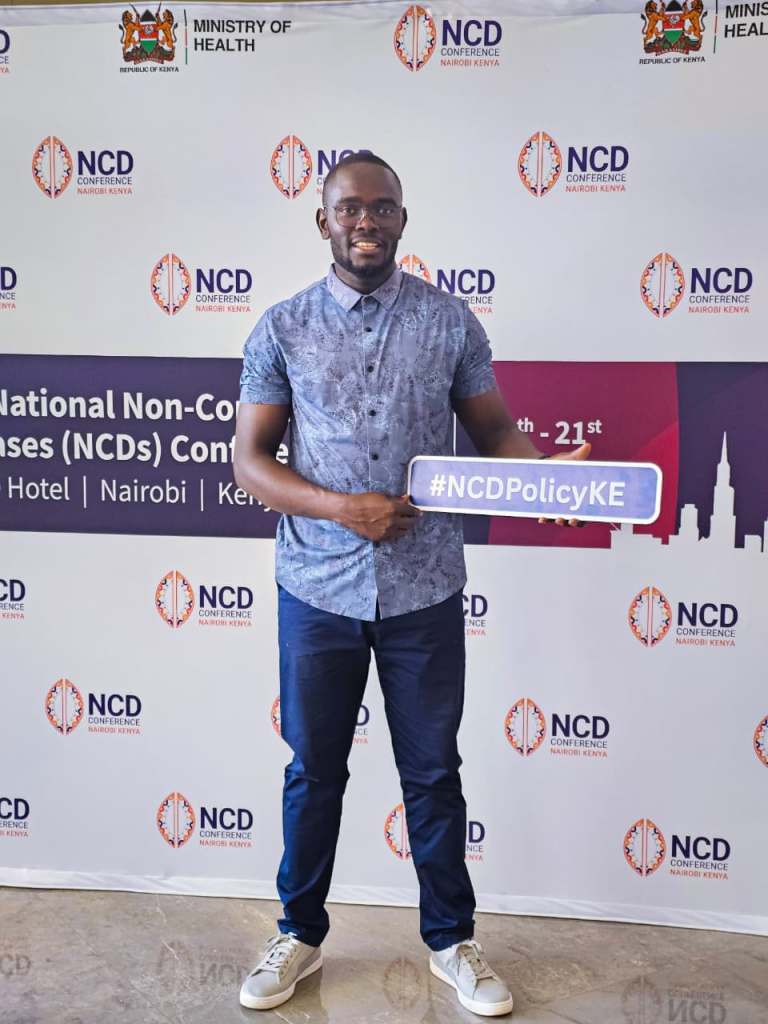
From 19th to 21st November, I had the profound honor of participating in Kenya’s First-Ever National Non-Communicable Diseases (NCD) Conference, held at the Argyle Grand Hotel. This historic convening brought together policymakers, researchers, healthcare leaders, advocates, and innovators under one roof to shape the future of NCD prevention and control in Kenya. For me, this was not just another conference—it was a defining milestone for both my personal journey and the work we are doing through Afyalytics.
Day 1: Afyalytics on the National Stage
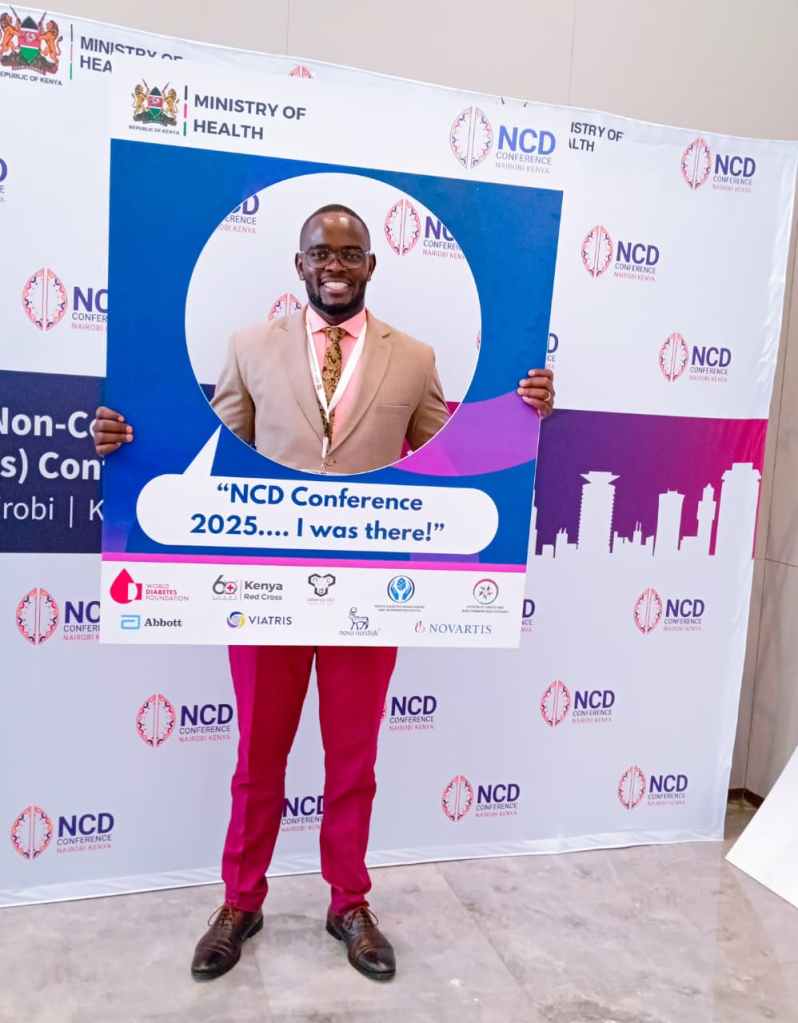
Day one marked a deeply fulfilling moment as I presented my poster titled:
“Afyalytics: A Digital Innovation for Personalized NCD Risk Assessment in Kenya.”
Standing before national and global health leaders to showcase Afyalytics was both humbling and energizing. This platform represents more than just technology—it embodies a commitment to early detection, personalized prevention, and data-driven decision-making for individuals and communities.
The presence of diverse stakeholders—policymakers, practitioners, and researchers—sent a powerful message: Kenya is ready to prioritize NCD prevention and integrate it meaningfully into Primary Health Care (PHC). The conversations sparked around digital health, youth-centered innovation, and community-driven solutions reaffirmed why this work matters so deeply to me.

Day 2: Financing, Integration, and the Life-Course Approach
The second day opened with a powerful plenary on Policy and Health Financing for NCDs in Primary Health Care. One message stood out clearly: Kenya urgently needs sustainable financing mechanisms and stronger alignment between policy commitments and real-world implementation if progress on NCD prevention and control is to be accelerated.
The following plenary focused on Integrated Care Models, emphasizing that NCD services must be delivered alongside other essential health programs. A particularly insightful session was delivered by Dr. Eva Njenga, who spoke on Breaking Silos: Collaborative Approaches for NCD Management within PHC, highlighting the iCare model by Novo Nordisk—a promising example of how integrated diabetes care can serve as a blueprint for other NCDs.
Later in the day, an energizing panel on NCD Risk Factors through a Life Course Approach explored prevention, early detection, treatment, and healthy aging. Chaired by Beatrice Ochieng, moderated by David Makumi of Faraja Cancer Trust, and led by Dr. Catherine Karekezi of NCD Alliance Kenya, the session reinforced the urgency of people-centered, sustained action across all stages of life.
Day 3: Innovation, Multisectoral Action, and a Regional Milestone
The final day of the conference was both inspiring and deeply personal. The morning began with a workshop on Technology and Innovation in NCD Prevention and Control—a space that resonates deeply with my mission through Afyalytics. The session reinforced a powerful truth: digital innovation is no longer optional—it is central to the future of prevention and care.
Plenary 5 on Multisectoral Approaches reminded us that no single sector can solve the NCD crisis alone. Sustainable solutions will only be achieved through collaboration across health, education, finance, urban planning, and technology.
The conference concluded with a historic moment—the launch of the East African Community NCD Framework (2024–2030). This milestone sets a bold agenda for regional collaboration, accountability, and coordinated action in the years ahead.
Reflections: From Conversations to Action
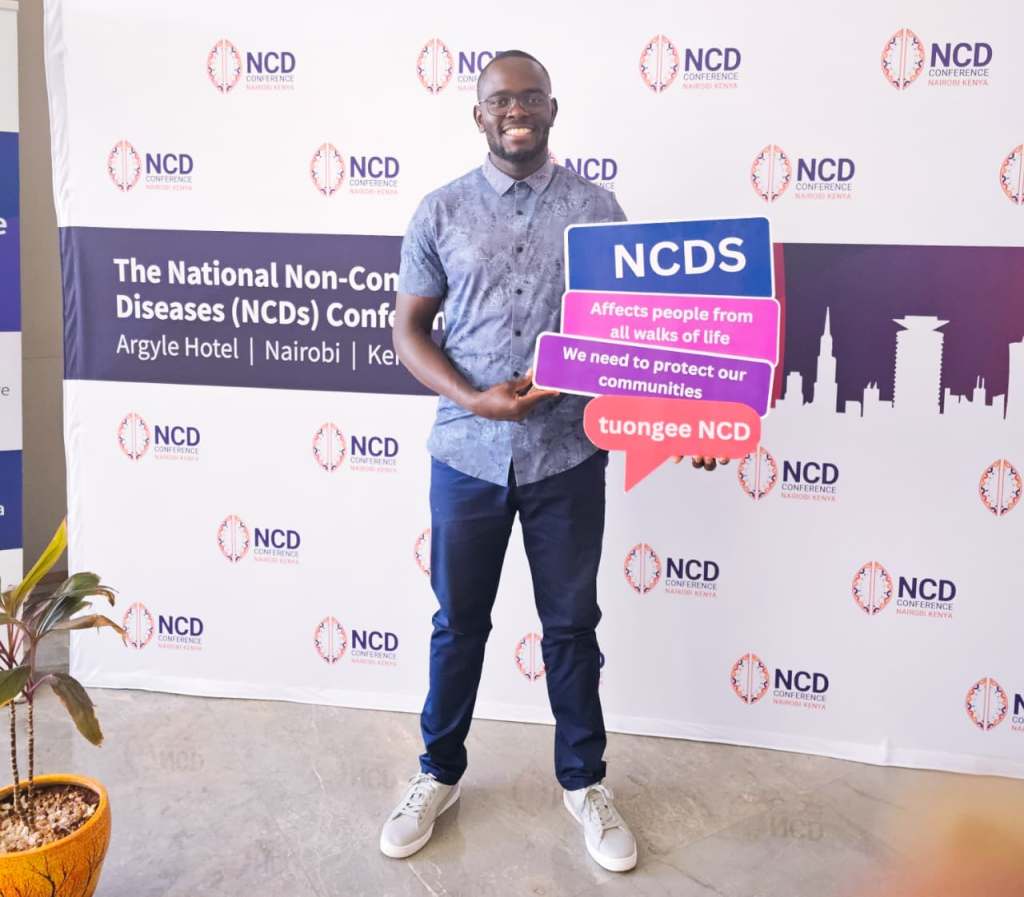
As I reflect on these three powerful days, I leave energized, affirmed, and more determined than ever to translate dialogue into action. The insights gained, connections built, and momentum created at this conference reaffirm that the fight against NCDs in Kenya is entering a new era—one driven by innovation, policy commitment, and people-centered solutions. For Afyalytics, this moment represents both validation and responsibility. The work ahead is clear: to continue building accessible, personalized, and data-driven tools that empower individuals—especially young people—to take charge of their health.
 ODUOR KEVIN