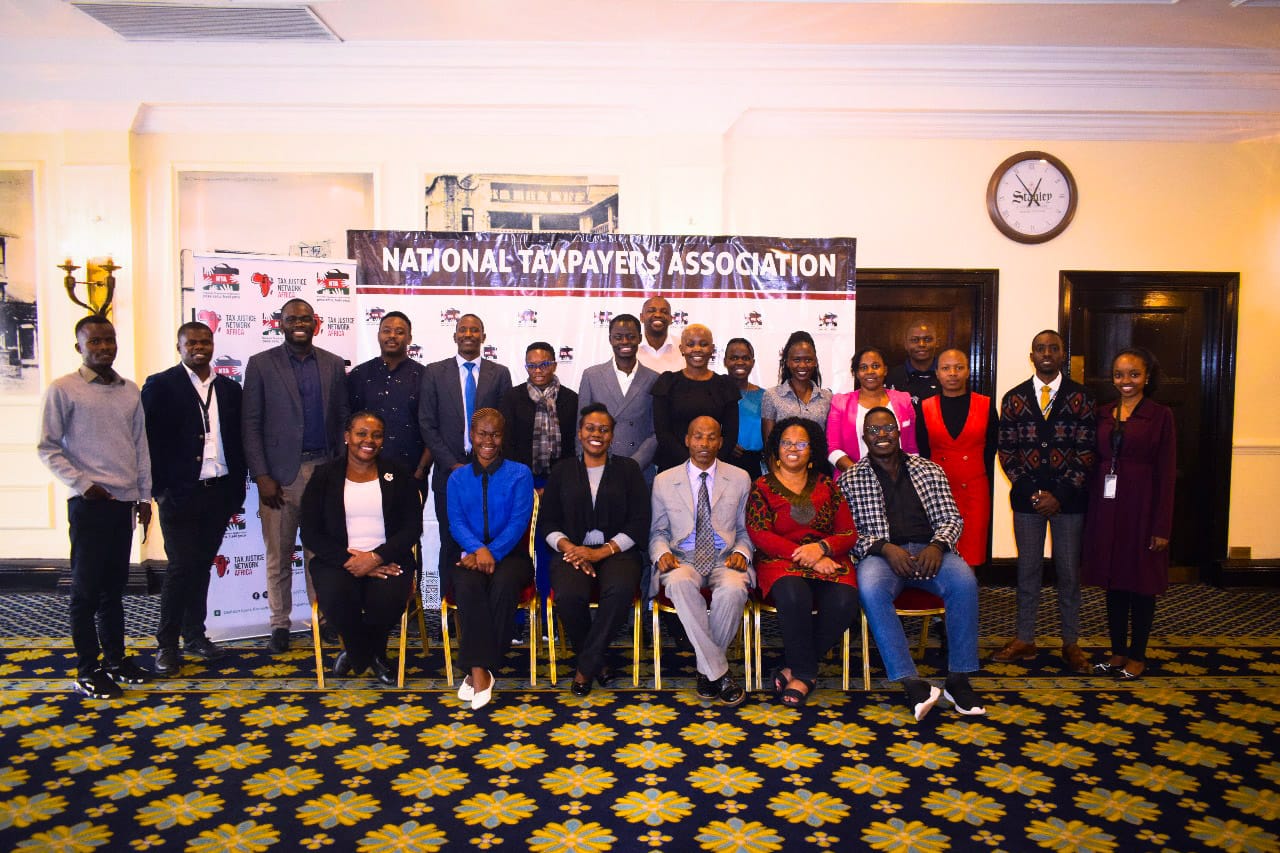
Yesterday, I had the opportunity to attend a stakeholders’ meeting organized by the National Taxpayers Association (NTA) focused on advancing sustainable health financing through enhanced compliance with WHO guidelines.
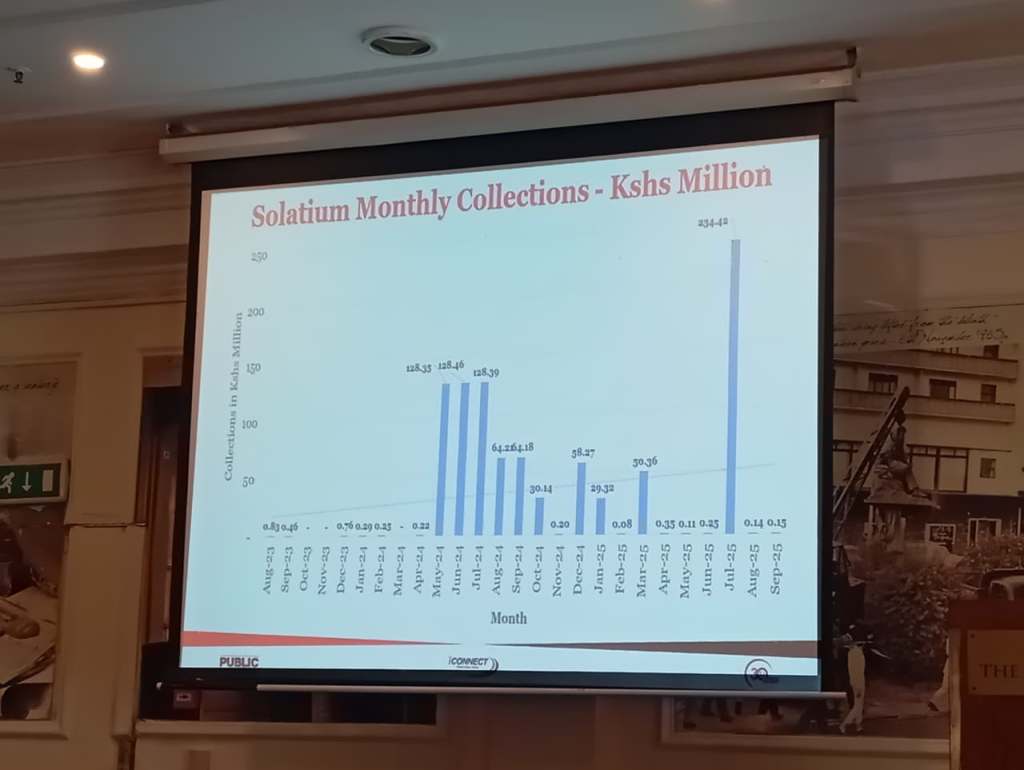
The meeting explored how Kenya can strengthen financing for health through the Tobacco Control Fund (TCF) — a critical mechanism established under the Tobacco Control Act (2007). The TCF is primarily funded through the Solatium Compensatory Contribution, which is paid by tobacco manufacturers and importers to offset the health and economic harms caused by tobacco use.
A key highlight of the discussion was a presentation by the Kenya Revenue Authority (KRA). KRA provided insights into tobacco tax policies, solatium monthly collections, and the fund’s financial performance. This data-driven approach is essential in understanding the revenue potential of tobacco control policies and identifying opportunities to enhance transparency and accountability in the management of these resources.

The conversation underscored the need for efficient allocation and utilization of the Tobacco Control Fund to support tobacco cessation programs, health promotion, and NCD prevention initiatives. Strengthening financial accountability mechanisms will ensure that every shilling collected from the industry goes towards improving health outcomes and reducing tobacco-related harm.
As we move forward, continued collaboration among stakeholders — including government agencies, civil society, and health advocates — will be key in ensuring that Kenya achieves sustainable health financing and advances its fight against non-communicable diseases.
#ActOnNCDs #LeadOnNCDs #HealthFinancing #TobaccoControl
 ODUOR KEVIN