
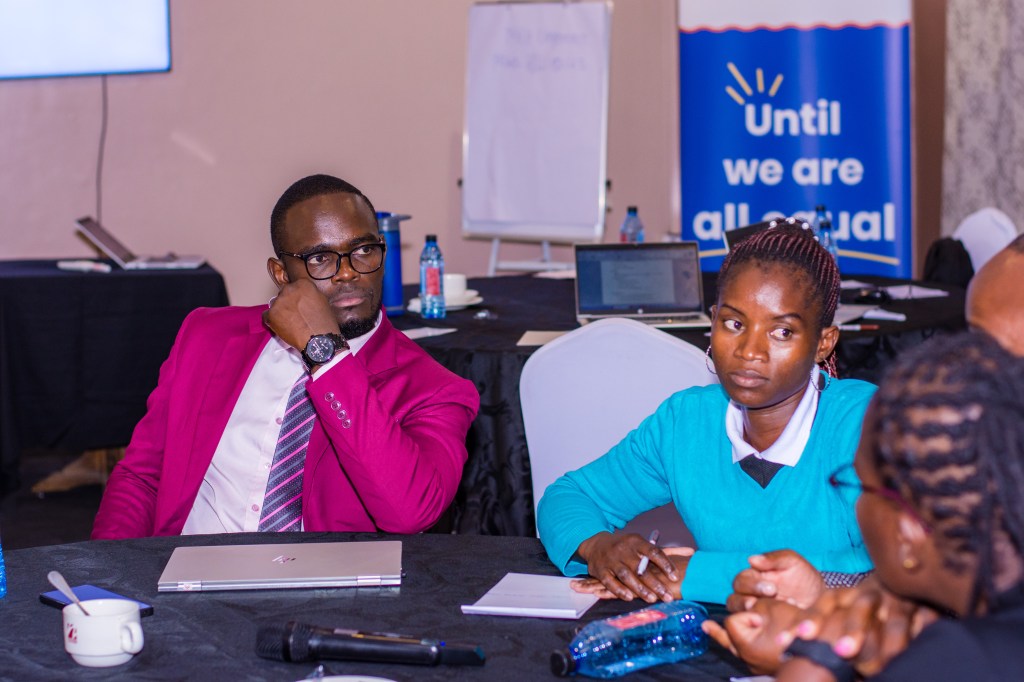
Recently, I had the privilege of participating in the Annual Reflection Meeting organized by Plan International Kenya, an inspiring gathering that brought together young people, parents, and healthcare providers to reflect on the achievements and lessons of the Young Health Program (YHP). The program targets adolescents aged 10–19, emphasizing the importance of teaching children about non-communicable diseases (NCDs) prevention measures as a critical step toward reducing the long-term burden of these diseases.
The meeting provided a platform to discuss and evaluate the effectiveness of the interventions implemented under YHP. One of the highlights was the discussion around the peer educator model in schools, a key strategy for reaching adolescents with accurate information on health. Peer education empowers students to become health advocates within their communities, fostering a culture of knowledge-sharing and support.
Additionally, the program has introduced youth-friendly services, ensuring that healthcare providers create an environment where adolescents feel comfortable seeking guidance on health issues. This holistic approach recognizes that addressing NCDs goes beyond providing information—it also requires creating access to services and fostering trust between young people and the healthcare system.

The Critical Role of Adolescence in NCDs Prevention
According to UNICEF, the onset of many NCDs occurs during adolescence, making this life stage critical for intervention. By addressing risk factors such as poor nutrition, alcohol and tobacco use, and physical inactivity during these formative years, we can significantly reduce the prevalence of NCDs in adulthood. The YHP’s focus on integrating sexual reproductive health (SRH) into NCDs education is particularly innovative, as it provides a comprehensive view of adolescent health.
Robinson Obongu’s report presented during the meeting highlighted the measurable impact of the Young Health Program. The findings showed increased knowledge among adolescents about NCDs, improved practices around proper nutrition, reduced alcohol and tobacco use, and heightened engagement in physical exercise. Importantly, the program’s integration of SRH discussions into NCDs conversations has further enhanced its relevance and effectiveness, addressing the diverse needs of adolescents.
Scaling Success and Building Partnerships
One of the most valuable aspects of the meeting was the discussion on scaling the program’s success. Participants shared insights on the importance of building partnerships with governments, schools, and local communities to sustain and expand the impact of the YHP.
The discussions also explored how the knowledge and lessons learned could be adapted to develop even more impactful strategies for NCDs prevention. Key ideas included leveraging digital platforms to reach more adolescents with health information, incorporating parent engagement programs to reinforce healthy practices at home, and fostering multi-stakeholder collaborations to address gaps in resources and expertise.
A Call to Action
The Annual Reflection Meeting was a powerful reminder that addressing NCDs requires collective action. Adolescents are not just beneficiaries of interventions; they are also agents of change, capable of driving a movement toward healthier communities. Programs like the YHP demonstrate that with the right tools, education, and support, young people can be empowered to make informed choices and inspire others to do the same.
As we look to the future, it is imperative to scale successful models like the YHP and secure the partnerships needed to sustain their impact. I commend Plan International Kenya for championing this cause and creating a platform for meaningful dialogue and reflection. To the young people involved in the program, you are the heart of this mission. Your voices and actions are shaping a healthier and brighter future for our continent. Keep leading the way.
Conclusion Adolescence is a critical window of opportunity for NCDs prevention. By investing in programs like the Young Health Program, we are not just addressing immediate health needs but also laying the foundation for healthier generations. The insights and success stories shared at the Annual Reflection Meeting inspire hope and a renewed commitment to creating a world where every child has the chance to thrive. Let us continue to champion this cause together.
 ODUOR KEVIN