
From June 26th to June 28th, 2024, I had the privilege of attending a comprehensive training session organized by the International Institute for Legislative Affairs (IILA) at Sawela Lodge, Naivasha. This training was a significant step in the ongoing effort to equip media professionals and digital advocates with the tools they need to effectively communicate and advocate for healthy food policies in Kenya.
About IILA and the Focus of the Training
The International Institute for Legislative Affairs (IILA) is a not-for-profit organization committed to working with policymakers, government agencies, and other stakeholders to draft and advocate for policies that truly benefit the people. IILA operates in several key areas, including Health Governance, Tax Justice, and Natural Resources Governance. Their work is driven by a dedication to evidence generation, which informs policy advocacy, legislation drafting, and capacity-building efforts.
This particular training brought together a diverse group of participants, including media professionals, digital advocates, and representatives from various organizations such as the Kenya Legal and Ethical Issues Network on HIV and AIDS (KELIN), African Population and Health Research Center (APHRC), Non-Communicable Diseases Alliance Kenya (NCDAK), National Council of Churches of Kenya (NCCK), and Consumer Information Network (CIN).

The Importance of Healthy Food Policies in NCD Prevention
A central theme of the training was the development of the Kenya Nutrient Profile Model (KNPM) and its role in establishing Front of Pack Warning Labels (FOPWL). This framework is crucial for protecting children and adolescents from unhealthy diets and, by extension, non-communicable diseases (NCDs). The training emphasized how crucial it is for media practitioners to understand and communicate the importance of these policies to the public.
With NCDs on the rise in Kenya, advocating for healthier food policies becomes even more urgent. The training highlighted how media professionals can play a vital role in raising awareness about healthy eating habits and the dangers of unhealthy diets. By doing so, they can contribute significantly to the prevention of NCDs in the country.
Key Objectives and Outcomes of the Training
The training was structured around several key objectives, all aimed at empowering media professionals and digital advocates:
- Enhancing Awareness: The training sought to deepen participants’ understanding of the importance of healthy food policies, with a particular focus on the adoption of front-of-pack warning labels. This awareness is essential for effective advocacy and public education.
- Building Communication Skills: Participants were equipped with the knowledge and skills necessary to communicate complex food policy issues in a way that is accessible to the general public. This is crucial in fostering a better understanding of the importance of healthy eating habits and the prevention of NCDs.
- Fostering Collaboration: The training also aimed to strengthen partnerships between media professionals and advocates for healthy food policies. Through this enhanced collaboration, the training hoped to build a stronger, united front in support of evidence-based food policies.
- Increasing Media Coverage: Finally, the training encouraged participants to increase media coverage of the need for evidence-based food policies. This, in turn, is expected to boost public awareness and support for initiatives that promote healthy eating habits and prevent NCDs.
Personal Reflection and Gratitude
As a digital health advocate at IILA, participating in this forum was both enlightening and empowering. The knowledge and skills gained during this training will undoubtedly enhance my ability to advocate for healthy food policies and contribute to the broader fight against NCDs in Kenya.
I am incredibly grateful to IILA for providing me with this opportunity to learn and grow. The experience has strengthened my commitment to the cause of NCD prevention, and I look forward to applying what I’ve learned in my future advocacy efforts. Thank you, IILA, for your unwavering dedication to building a healthier Kenya.
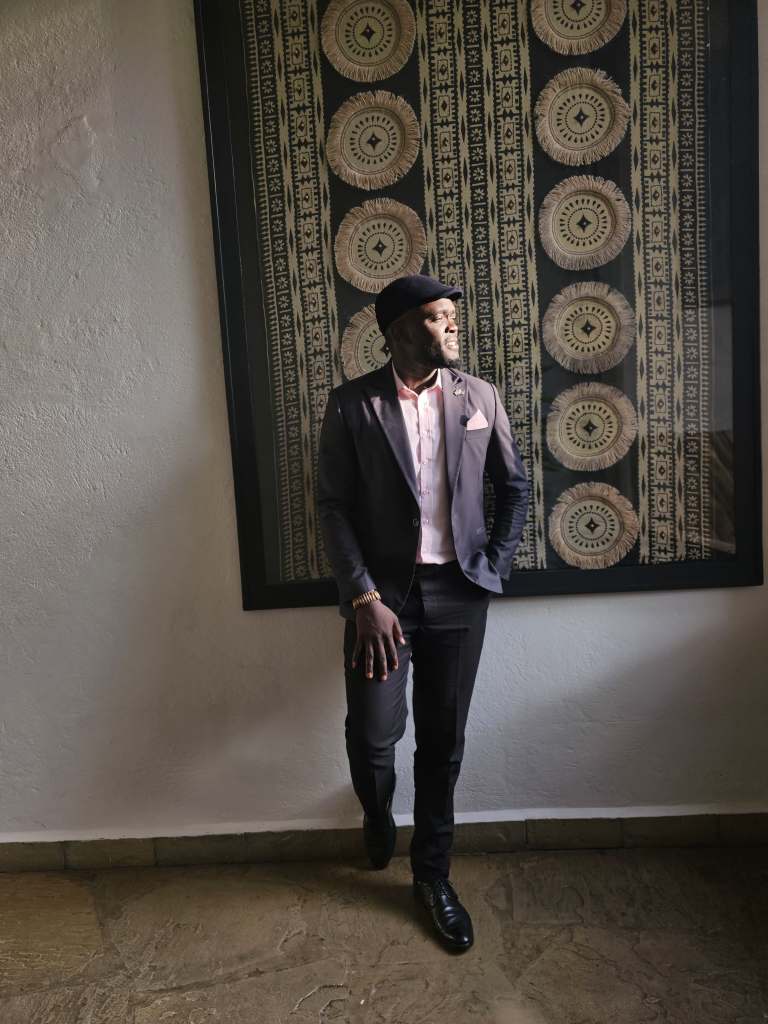
 ODUOR KEVIN