
Overview
In recent years, non-communicable diseases (NCDs) have emerged as a significant public health concern globally, with Kenya being no exception. To address this growing health crisis, organizations like the Kenya Legal and Ethical Issues Network on HIV and AIDS (KELIN), supported by the International Development Law Organization (IDLO), have embarked on initiatives aimed at promoting healthy lifestyles and preventing NCDs. One such initiative is the advocacy for Front-of-Pack Labelling (FOPL), a crucial step towards empowering consumers to make informed choices about their diet and reducing the prevalence of NCDs.
Why Front of Package Warning Labelling is Important
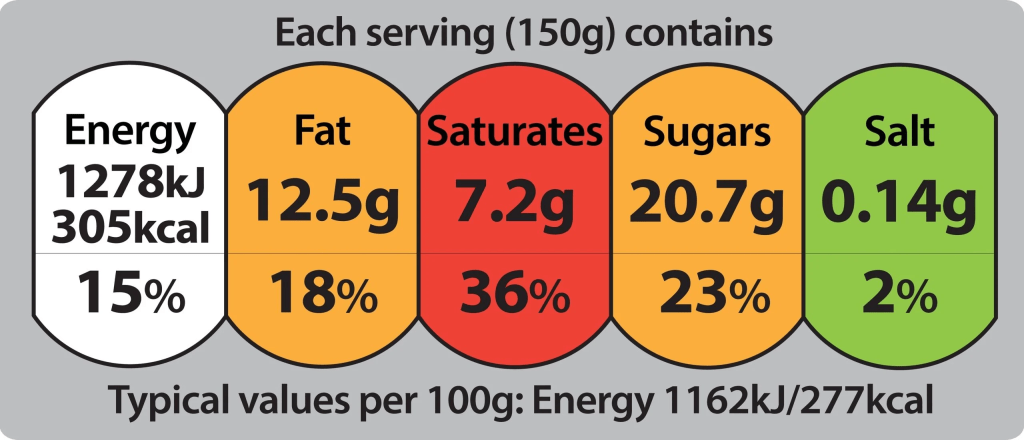
FOPL provides consumers with clear and easily understandable information about the nutritional content of food products right on the front of their packaging. This enables individuals to make healthier food choices, thereby reducing their risk of developing NCDs such as obesity, diabetes, and cardiovascular diseases. With NCDs accounting for a significant portion of global mortality, FOPL plays a vital role in empowering individuals to take control of their health and well-being.
Global and Kenyan NCDs Statistics
Globally, NCDs are responsible for an estimated 71% of all deaths, with cardiovascular diseases, cancers, respiratory diseases, and diabetes being the leading causes. In Kenya, NCDs are also on the rise, contributing to approximately for 31% of all deaths according to the Kenya’s 2015 STEPwise survey. The survey further revealed that 50% of total hospital admissions, and 55% of hospital deaths are attributable to NCDs. These alarming statistics highlight the urgent need for proactive measures such as FOPL to curb the growing burden of NCDs and improve public health outcomes.
Strategies for Advocating FOPL
During the advocacy forum, key strategies for advocating FOPL were deliberated: They include:
- Media Engagements: Utilizing press statements and social media campaigns to disseminate information and raise awareness about FOPL.
- Research Initiatives: Conducting research to provide evidence-based practices supporting the implementation of FOPL.
- Public Education: Educating the public on the importance of checking nutrition labeling and making informed food choices.
- Digital Engagement: Engaging in digital platforms such as Twitter chats to facilitate discussions and garner support for FOPL adoption.
As a participant in the forum, I took the lead in presenting these strategies, emphasizing their importance in promoting healthier lifestyles and preventing NCDs through FOPL implementation. These initiatives are integral in raising awareness and rallying support for FOPL adoption among key stakeholders and the general public.
Gaps in the Kenya Nutrient Profile Model
Gaps were identified during the workshop regarding the Kenya Nutrient Profile Model (KNPM). Civil society’s involvement in the KNPM development process was found to be sporadic and tokenistic, limiting their input in shaping the regulatory framework. This lack of comprehensive engagement undermines the efficacy of the KNPM in addressing public health priorities. Additionally, discrepancies were noted between the KNPM and the World Health Organization’s AFRO Nutrient Profile. For instance, while the WHO AFRO NPM limits sugar in certain beverage categories to 0g per 100ml, the KNPM allows up to 6g of sugar per 100ml. This significant disparity raises concerns about the adequacy of the KNPM in effectively addressing public health priorities related to NCD prevention, particularly given the high consumption of sugar-sweetened beverages in Kenya, which contributes to obesity and chronic diseases.
In conclusion, advocating for Front of Pack Labelling is crucial in addressing the growing burden of non-communicable diseases globally and in Kenya. By empowering consumers with clear nutritional information, FOPL promotes healthier dietary choices and contributes to reducing the prevalence of NCDs. However, addressing gaps in regulatory frameworks such as the Kenya Nutrient Profile Model is essential to ensure effective implementation and maximum public health impact.
 ODUOR KEVIN